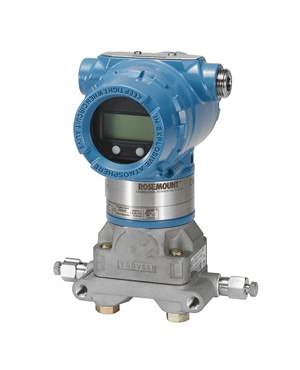
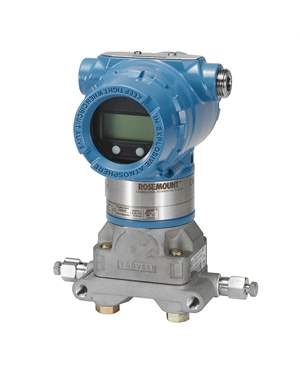
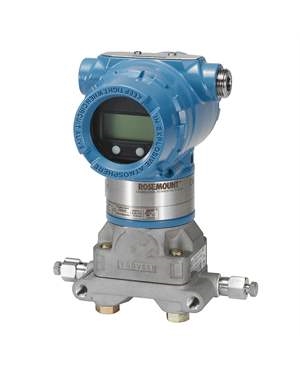
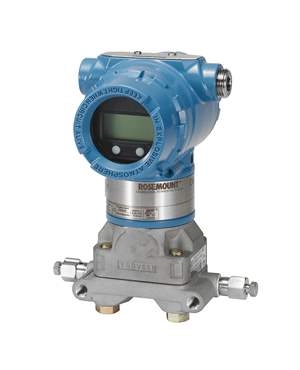
Rosemount 3051S vs 3051C Transmitter – What is Your Choice?
Brian Craig
July 29, 2019
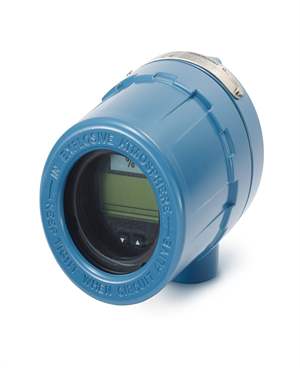
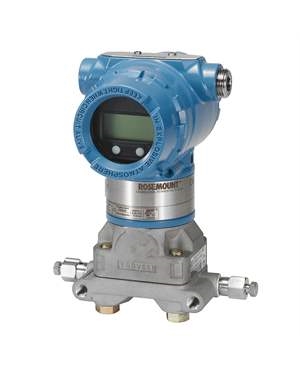
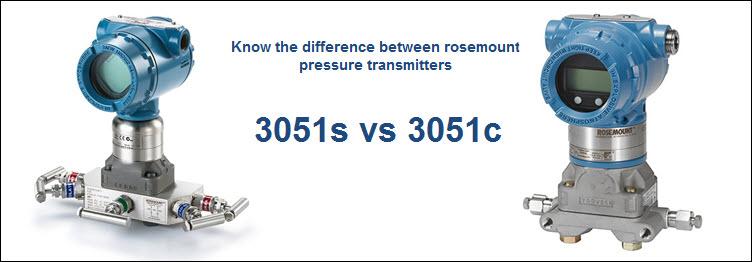
The Rosemount 3051 transmitters are known for their accuracy, user-friendly designs, and reliability. These transmitters are widely used across various process industries that depend on accurate level, pressure, and flow measurements for functioning. The 3051 pressure transmitter comprises several transmitters including 3051S Series Smart Pressure Transmitters, 3051C Coplanar Pressure Transmitters, 3051TG Gauge Pressure Transmitters, and so on. Among these 3051S and 3051C are the most popular variants. These variants have peculiar properties and thus are preferred for specific applications. Read the post to know the typical advantages offered by each of these variants.
A Brief Outlook of Rosemount 3051C Pressure Transmitters
Rosemount 3051C coplanar pressure transmitters have set benchmark standards for pressure measurement. These pressure transmitters are equipped with a flexible coplanar platform, and offer a host of other features. The following beneficial features of these transmitters have contributed to their popularity:
- Quick Installations: These pressure transmitters can be configured for a flow, level, and pressure applications. Offered in easy-to-install designs, these pressure transmitters help reduce installation efforts and costs associated with other standard pressure transmitter installations. According to various studies, they enable users to make about 60% savings over regular wired pressure transmitters.
- Improved Accuracy: Under normal operating conditions, this transmitter assures improved reference accuracy of +/- 0.04% with a span down to a 10:1 turndown. This improved accuracy enables drive the total performance to +/- 0.12% of span.
- Increases Work Productivity and Reduces Maintenance Costs: Like other Rosemount 3051 transmitter family, 3051C transmitters are also equipped with advanced features such as power advisory diagnostics, and local operator interface (LOI). The LOI interface makes commissioning easy, and power advisory diagnostics help in quicker detection of integrity issues occurring in an electrical loop. Both these features help boost work productivity and reduce maintenance efforts, and associated costs.
- Seamless Integration with Accessories: The Rosemount 3051C pressure transmitter takes advantage of the patented coplanar technology, which assures scalability and enables seamless integration with various accessories.
- Advanced Capabilities: The 3051C pressure transmitters are equipped with advanced HART capabilities. They can be availed with HART 5 & HART 7 capabilities. HART 7 is an advanced protocol mainly designed for wireless systems, and is also suited for wired systems. These advanced HART protocols make the transmitters responsive to current and future capabilities.
Why are Rosemount 3051S Smart Series Pressure Transmitters Popular?
The 3051S Smart Series pressure transmitters have become the first choice for pressure measurement owing to the following advantages they offer:
- Gain Better Control Over Process: The pressure transmitters feature advanced diagnostics, which help identify abnormal process conditions as well as electrical loop issues. In addition to this, the remote display enables users to access device and process information easily.
- Improved Energy Efficiency: The pressure transmitters feature hermetic SST SuperModuleTM platform that resists line pressure and overpressure, thereby ensuring 0.025% accuracy. The transmitter offers a rangedown of 200:1 that assures reliability as well as application flexibility. When used with flowmeters, these pressure transmitters help track the use of natural gas and steam effectively. If used with annubar flowmeters, these transmitters help reduce the pressure loss by at least 96%.
- Assure Safety of People, Process, and Surroundings: Advanced diagnostics enable to identify errors before they escalate. Remote Display and Interface enables limit user exposure to dangerous heights and hazardous areas.
3051S vs 3051C – What Works for You?
With each of these transmitters offering several advantages, it is quite obvious to get confused about their choice. Here are the tips that will ease your confusions.
- If accuracy and turndown ratio is your concern it is better to choose 3051S.
- If money is your concern, then it is better to choose 3051C. In short, it is suited for applications, where accuracy and turndown ratio differences may not matter beyond a limit.
Finally, the choice will depend on your accuracy requirements among various other factors. Whatever be the reason for the selection, it is important that you source these transmitters from a reliable source like TTS. The company sells refurbished and company-tested transmitters.
Related Posts
- What are the Steps Involved in Calibrating Pressure Gauge?
- All Important Questions on Reconditioned Transmitters Answered
- Is Remanufactured Transmitter a Better Option than a New One?
- Differential Pressure Transmitters: How Do They Help in Flow Measurements?
- 3 Whats that Explain How Often You Should Calibrate Pressure Transducer
- Guidelines for Troubleshooting Pressure Transducers
- Learn How to Calibrate a Pressure Transmitter – II
- Learn How to Calibrate a Pressure Transmitter
- Know Three Interesting Uses of Pressure Transmitters
- Things to Check before Buying a New Pressure Transmitter
- A Look at Various Types of Industrial Transmitters – Part II
- A Look at Various Types of Industrial Transmitters Part I
- All Questions on Smart Transmitters and their Calibration Answered
- 3 Major Pressure Transmitter Technologies That Made the Device Popular
- An Unconventional Guide to Selecting the Right Pressure Sensor
- Factors To Be Considered While Differentiating $40 and $400 Pressure Transmitters
- Tips to Augment the Performance and Service Life of Pressure Transmitter
- Factors of Consideration When Choosing Pressure Transmitters
- 5 Most Popular Pressure Transmitter Technologies
- Tips to Improve the Performance of Pressure Sensors
- Factors to Consider When Choosing a Pressure Transmitter Manifold
- Safety Tips for Differential Pressure Transmitter Operation
- Impact of Shock and Vibration on Pressure Transducer
- Rosemount 3051S vs 3051C Transmitter – What is Your Choice?
- Rosemount 2088 Vs Rosemount 3051 – A Few Points of Differences Discussed
- Difference in Conventional Transmitters and Smart Transmitters
- How to Choose Diaphragm Seals for Your Application?
- How to Select Pressure Transmitter for Your Application?
- Remote Seals: Significance, Working Principle & Applications
- How Do You Calibrate A Flow Transmitter?
- What is Absolute Pressure Transmitter & how does it work?
- HART Communication Protocol: Overview, Working Principle, Benefits in Industrial Automation
- Absolute and Gauge Pressure Transmitters - Overview and Working Principle
- Flow Meter vs Flow Transmitter: Know the Difference
- How Do You Test for 4 to 20mA Signal in a Pressure Transmitter?
- Multivariable Transmitter: What Is It and How Does It Work?
- Pressure Transmitters vs. Pressure Transducers: Learn the Differential Characteristics
- Procedure to Calculate Accuracy of Pressure Transmitter Discussed
- Testing Pressure Gauges: Processes of Verification Test and Functional Test
- An Ultimate Selection Guide for Flow Transmitters
- The Benefits and Challenges of HVAC System Balancing
- Fluid Flow Isolation Techniques for Pressure Instrumentation
- Understanding Pressure Ranges and Units for Fluid System Monitoring
- Understanding the Impact of Pressure Fluctuations on Drying Performance
- Monitoring and Controlling Energy Production in Power Plants
- Common Challenges in Air Flow Measurement and How to Overcome Them
- Pressure Monitoring in Pump Systems: A Comprehensive Guide
- Exploring Density and Viscosity Measurement in Industrial Processes
- Pneumatic Pressure Controllers: A Safe Choice for Hazardous Areas
- A Practical Guide to Vacuum Measurement and Operation
- Key Sensors for Monitoring Emissions in Wet and Dry Scrubber Systems
- Complete Hydrogen Gas Safety and Measurement Solutions
- Steam Boiler Drum Level Measurement A Comparison of Control System Technologies
- Furnace Flame Sensor Faults Everything You Need to Know for Safe Operation
- Comparison between Multi Valve Manifolds Block Valves and Bleed Valves
- Furnace Flame Sensor Faults Everything You Need to Know for Safe Operation
- Pneumatic Pressure Controllers: A Safe Choice for Hazardous Areas
- How Can Greenhouse Gas Emissions Be Reduced?
- A Practical Guide to Vacuum Measurement and Operation
- Understanding Electrochemical Detection: Principles, Techniques and Environmental Application
QUICK ENQUIRY