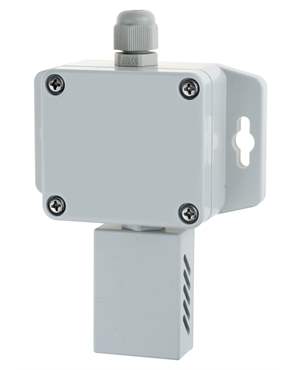
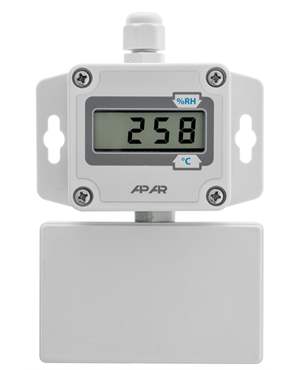
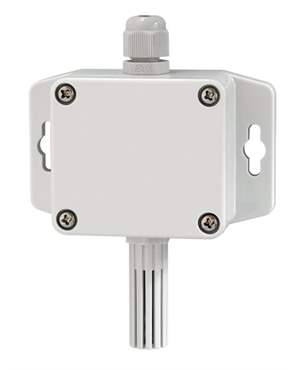
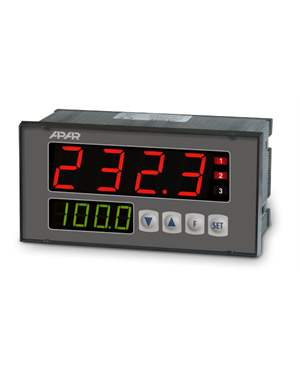
Temperature Transducer

<

Accurate temperature measurement is essential for maintaining process efficiency, product quality, and equipment reliability across industrial operations. Our range of Temperature Transducers is designed to convert RTD and thermocouple sensor inputs into standardized output signals for reliable integration with PLCs, DCS, SCADA systems, digital indicators, recorders, and process controllers.

Whether you're upgrading an existing instrumentation system or designing a new process automation application, our industrial temperature transducers support accurate signal conversion for manufacturing, chemical processing, HVAC, pharmaceuticals, food and beverage production, water treatment, OEM equipment, and energy applications. Available in multiple configurations, these solutions simplify temperature monitoring while improving signal reliability and system compatibility.

Filter By

Temperature Transducer Configurations

Selecting the right temperature transducer begins with choosing a configuration that matches your sensor type, installation method, and process requirements.

RTD Temperature Transducers

RTD temperature transducers are designed for Pt100, Pt1000, and other resistance temperature detectors where high measurement accuracy and long-term stability are required. These transducers are commonly used in process industries, HVAC systems, laboratory equipment, pharmaceutical production, and food processing applications.

Typical applications include:

  • Process temperature monitoring
  • Heat exchangers
  • Storage tanks
  • HVAC equipment
  • Cleanroom monitoring
  • Water treatment systems

Thermocouple Temperature Transducers

Thermocouple temperature transducers convert millivolt signals from thermocouple sensors into standardized industrial outputs for process control systems.

They are widely used in:

  • Boilers
  • Industrial ovens
  • Furnaces
  • Heat treatment equipment
  • Metal processing
  • Power generation

Their ability to operate across wide temperature ranges makes them suitable for demanding industrial environments.

DIN Rail Temperature Transducers

DIN rail mounted temperature transducers provide centralized signal conditioning inside electrical panels and control cabinets.

These models are commonly selected for:

  • Industrial control panels
  • Machine automation
  • OEM equipment
  • Process control systems
  • Utility monitoring

DIN rail mounting simplifies installation while reducing panel space requirements.

Head Mount Temperature Transducers

Head mount temperature transducers are installed directly inside connection heads, minimizing signal loss between the sensing element and the control system.

Advantages include:

  • Reduced electrical interference
  • Improved measurement stability
  • Compact installation
  • Simplified field wiring

They are commonly installed on process piping, tanks, reactors, and production equipment.

Industrial Applications

Temperature transducers support accurate temperature measurement throughout industrial automation systems where reliable process control is essential.

Chemical Processing

Monitor reactors, blending systems, storage vessels, and heat exchangers to maintain consistent production conditions.

Food & Beverage

Support cooking, refrigeration, fermentation, pasteurization, and storage processes where precise temperature control directly affects product quality.

Pharmaceutical Manufacturing

Maintain accurate temperature measurement during production, cleanroom operations, storage, and validation processes.

Water & Wastewater Treatment

Monitor treatment systems, pumping stations, and utility equipment to improve operational efficiency.

HVAC & Building Automation

Provide reliable temperature monitoring for commercial and industrial heating, ventilation, and cooling systems.

OEM Equipment

Integrate temperature transducers into packaged equipment, machinery, and custom automation systems requiring dependable signal conversion.

Key Features and Performance Capabilities

Industrial temperature transducers are designed to deliver reliable measurement performance under demanding operating conditions.

Key capabilities include:

  • RTD and thermocouple compatibility
  • High measurement accuracy
  • Stable analog output signals
  • Fast signal conversion
  • Long-term measurement stability
  • Industrial-grade construction
  • Compact installation options
  • Reliable operation in harsh environments

These features help improve process reliability while reducing signal degradation between field sensors and control systems.

Output Signals and System Compatibility

Selecting a temperature transducer with the appropriate output signal ensures reliable communication between field instruments and industrial control systems. Standardized output signals improve measurement accuracy over long cable distances while simplifying integration with existing automation infrastructure.

Input Compatibility

Industrial temperature transducers are available to support multiple sensing technologies, including:

  • Pt100 RTD
  • Pt1000 RTD
  • J-Type Thermocouple
  • K-Type Thermocouple
  • T-Type Thermocouple
  • E-Type Thermocouple
  • R, S and B Thermocouples

Supporting multiple sensor types provides flexibility when upgrading existing instrumentation or designing new temperature measurement systems.

Output Signal Options

Depending on the application, temperature transducers may provide:

  • 4–20 mA Output
  • 0–10 V Output
  • 0–5 V Output
  • Current Output
  • Voltage Output

These standardized signals allow seamless communication with industrial automation equipment while maintaining signal integrity across long transmission distances.

Integration with Industrial Automation

Temperature transducers are commonly integrated with:

  • PLC Systems
  • Distributed Control Systems (DCS)
  • SCADA Platforms
  • Digital Indicators
  • Data Loggers & Recorders
  • Process Controllers
  • Human Machine Interfaces (HMI)

Their compatibility with industrial automation systems enables continuous process monitoring, centralized control, and accurate data acquisition across multiple production environments.

Selecting the Right Temperature Transducer

Selecting the appropriate industrial temperature transducer requires evaluating the process application, sensing element, installation method, and control system requirements. Choosing the correct configuration improves measurement reliability, simplifies installation, and supports long-term process performance.

Select the Appropriate Sensor Type

The first step is identifying the sensing element used within the process.

  • RTD Temperature Sensors for high accuracy and long-term stability
  • Thermocouple Sensors for high-temperature and fast-response applications

Matching the transducer to the correct sensor technology ensures reliable signal conversion and measurement accuracy.

Determine the Required Measurement Range

The operating temperature of the application should determine the measurement range of the transducer. Selecting an appropriate range helps maintain measurement resolution while accommodating normal process fluctuations.

Verify Output Signal Compatibility

Confirm that the output signal is compatible with the receiving device, whether it is a PLC, DCS, SCADA system, digital indicator, recorder, or process controller. Using standardized analog outputs simplifies system integration and minimizes additional signal conditioning.

Choose the Correct Mounting Configuration

Installation location often determines the most suitable mounting style.

  • DIN Rail Temperature Transducers for control panels and automation cabinets
  • Head Mount Temperature Transducers for field installations close to the sensing element

Proper mounting reduces installation complexity while improving signal quality.

Consider the Operating Environment

Evaluate process conditions such as:

  • Ambient temperature
  • Humidity
  • Vibration
  • Electrical noise
  • Available installation space

Selecting a transducer designed for the operating environment improves reliability and reduces maintenance requirements.

Why Choose Our Temperature Transducers

Our temperature transducers are designed to support reliable industrial temperature measurement across a broad range of process applications. Whether monitoring a single measurement point or integrating multiple instruments into an automation system, these products provide dependable signal conversion for accurate process control.

Our product range includes solutions for:

  • RTD Temperature Measurement
  • Thermocouple Temperature Measurement
  • Industrial Automation Systems
  • OEM Equipment
  • HVAC Applications
  • Process Manufacturing
  • Chemical Processing
  • Water & Wastewater Treatment
  • Food & Beverage Production
  • Pharmaceutical Manufacturing

With multiple input options, standardized output signals, and industrial-grade construction, our temperature transducers are suitable for both new installations and instrumentation upgrades.

Technical assistance is available to help identify the appropriate model based on sensor type, application requirements, measurement range, output signal, and installation conditions.

Frequently Asked Questions (FAQ's)

  • How do I choose between an RTD temperature transducer and a thermocouple temperature transducer?

The choice depends on the sensing element and operating conditions. RTD temperature transducers are commonly selected for applications requiring high accuracy and long-term measurement stability, while thermocouple temperature transducers are better suited for high-temperature processes requiring fast response times.

  • What output signals are commonly available in industrial temperature transducers?

Industrial temperature transducers commonly provide standardized analog outputs such as 4–20 mA, 0–10 V, and other current or voltage signals compatible with PLC, DCS, SCADA, and industrial process control systems.

  • When should a DIN rail temperature transducer be used?

DIN rail temperature transducers are ideal for installation inside electrical control panels, machine control cabinets, and industrial automation systems where centralized signal conditioning and easy maintenance are required.

  • What are the advantages of head mount temperature transducers?

Head mount temperature transducers are installed close to the sensing element, helping reduce electrical noise, minimize signal interference, simplify wiring, and improve measurement reliability in field installations.

  • Can one temperature transducer support different RTD and thermocouple sensors?

Yes. Many industrial temperature transducers are configurable to support multiple RTD and thermocouple sensor types. Compatibility depends on the specific model and its supported input configurations.

  • How does measurement range influence transducer selection?

The selected measurement range should closely match the normal operating conditions of the process. Choosing an appropriate range improves measurement resolution, accuracy, and long-term reliability throughout the application.

  • Can temperature transducers be integrated with existing automation systems?

Yes. Industrial temperature transducers are designed for seamless integration with PLCs, DCS platforms, SCADA systems, digital indicators, process controllers, and data logging equipment, enabling accurate temperature monitoring within existing automation infrastructure.