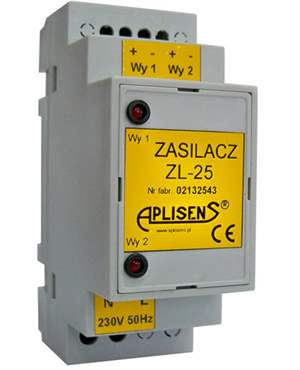
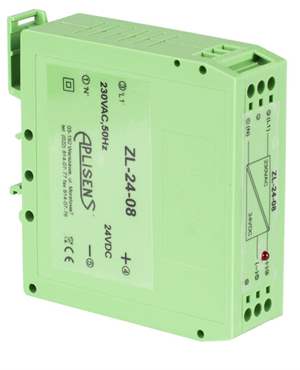
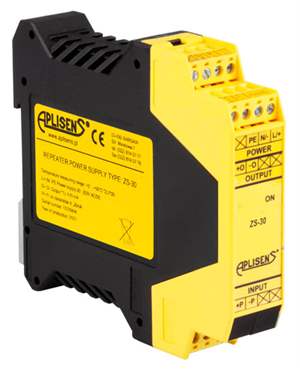
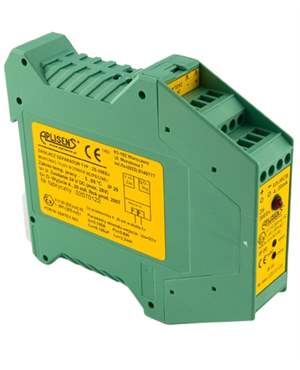
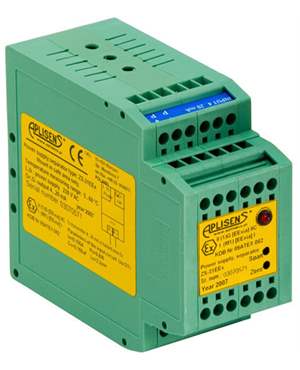
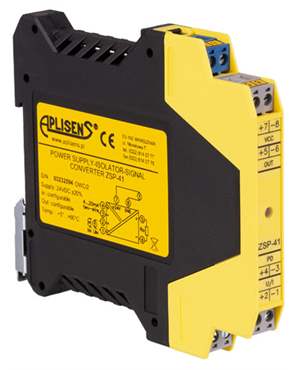
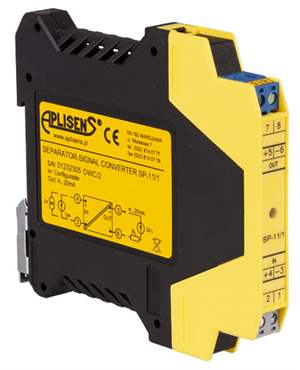
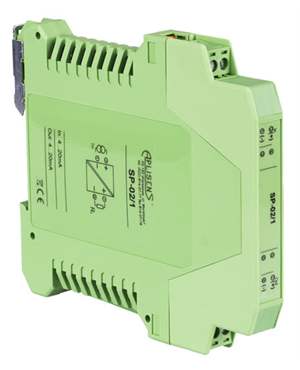
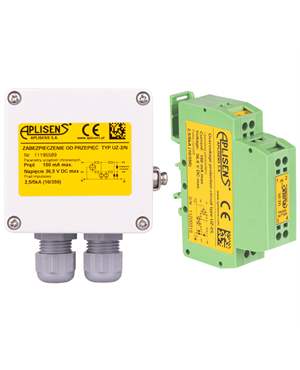
Signal isolators are essential components in industrial applications, ensuring the accuracy of signals and protecting systems from electrical interference, ground loops, and power surges. These devices safeguard critical equipment and prevent costly system failures. At The Transmitter Shop (TTS), we stock a comprehensive range of high-quality signal isolators, signal converters, and power supply isolators from the trusted brand Aplisens. Our products are designed to enhance the reliability and safety of your industrial systems, engineered to meet the demands of both standard and hazardous environments. With Aplisens' trusted technology, you can expect consistent performance and protection across diverse applications.
Types of Signal Isolators & Converters Offered by TTS
We understand that every industrial application has its own set of challenges and requirements. That’s why we offer a variety of solutions that ensure optimal performance and safety. Explore our wide range of signal isolators and converters designed to meet the unique needs of your industrial application. Whether you need a simple isolator or a combination unit, we’ve got you covered.
- Industrial Power Supply Units: These units provide reliable and consistent power to industrial control systems, ensuring that your devices operate without interruption.
- Power Supply & Isolator for Two-Wire Transmitters: Ideal for two-wire transmitter systems, these units supply the necessary power and isolate the signal to prevent noise and interference.
- Intrinsically Safe Power Supply & Isolators: Specifically designed for hazardous environments, these units ensure safe operation by preventing sparks or electrical faults that could trigger explosions.
- Power Supply / Isolator / Signal Converters: This combined unit provides all-in-one functionality, offering power, signal isolation, and conversion to different formats, saving space and reducing installation time.
- Isolator & Signal Converters: These devices protect your signal while converting it from one type to another, ensuring compatibility across various industrial systems.
Key Features of Industrial Signal Isolators & Converters Offered by TTS
At TTS, our industrial signal isolators and converters are equipped with essential features that enhance system performance and minimize operational risks. Here’s a quick look at what sets our products apart:
- High-Precision Signal Integrity: Our isolators guarantee that the signals transmitted remain clean, stable, and accurate, without interference from ground loops or electrical noise. This ensures that your system runs smoothly, with no costly misreadings or false alarms.
- Wide Compatibility: We offer isolators and converters that are compatible with various signal types, including current, voltage, and frequency. This flexibility ensures that our products fit into any industrial application, whether it’s a simple monitoring system or a complex multi-loop setup.
- Compact, Easy-to-Install Design: Space is often limited in control panels. Our products are designed to be compact and are easy to install, reducing setup time while offering efficient operation. You’ll appreciate the streamlined installation and how quickly your systems are up and running.
- Safe and Reliable Performance: For environments with hazardous materials or explosive gases, our intrinsically safe units prevent potential hazards, ensuring operational safety. These units are built to meet the strictest industry standards for hazardous area applications.
- Long-Term Durability: Made from industrial-grade materials, our signal isolators and converters are built to withstand harsh conditions, such as extreme temperatures, vibration, and electromagnetic interference. Their reliability helps reduce maintenance and downtime costs over the life of your system.
How a Signal Isolator Works in Industrial Process Systems
In industrial process systems, a signal isolator functions by electrically separating the input and output signals, typically through optical or magnetic isolation. This separation effectively isolates the control or measurement system from electrical noise, surges, and ground loops that can distort or corrupt signals. By preventing these interferences, the isolator ensures that the signal reaching the control system is accurate and untainted by external electrical disturbances. This process helps maintain the integrity of the data being transmitted, improving overall system reliability and ensuring that process control decisions are based on precise and dependable information.
What is the Difference Between a Signal Isolator, Signal Converter, and Power Supply Isolator
It’s common to mix up these three terms, but there are key differences:
- A Signal Isolator separates the input signal from the output, preventing interference and ensuring clean signal transmission.
- A Signal Converter converts one type of signal (e.g., current to voltage) to another for compatibility across systems.
- A Power Supply Isolator combines both power supply and signal isolation in one device, often used for specific transmitter systems like two-wire setups.
While each has a specific role, many of our units combine these functions into a single, compact solution, making it easier for engineers to manage their systems.
Industries & Applications That Rely on Signal Isolators
Our signal isolators are used across industries to ensure safe, accurate, and reliable control systems.
- Chemical & Petrochemical Industries: Accurate signal transmission is vital for safety and efficiency in these high-risk environments. Signal isolators ensure that equipment readings are precise and that potential electrical hazards are mitigated.
- Oil & Gas: The oil and gas industry relies on signal isolators to maintain safe operations in extreme conditions. Our intrinsically safe isolators are perfect for explosive areas, ensuring safe communication between devices.
- Water Treatment & Wastewater Management: Signal isolators help ensure accurate readings from sensors used in water treatment plants. This includes flow, pressure, and level sensors that require stable and isolated signal transmission.
- Manufacturing & Automation: In manufacturing, systems need to run smoothly with minimal downtime. Our signal isolating devices help protect your equipment from electrical interference, which can cause errors in production lines or equipment failures.
- Pharmaceuticals: Accuracy and safety are critical in pharmaceutical plants, where the reliability of process control systems is paramount. Signal isolators help ensure that vital measurements are unaffected by electrical noise or fluctuations.
How to Select the Right Signal Isolator for Your Application
Selecting the appropriate signal isolator may appear challenging; however, by applying the proper criteria, the process becomes clear and manageable. Here, are a few tips to help you make the best choice for your system:
- Identify Your Signal Types: Determine whether you need current, voltage, or frequency signals to be isolated. Next, choose an isolator that supports your specific requirements.
- Consider the Operating Environment: If you're working in a hazardous or explosive environment, make sure to select an intrinsically safe isolator. Safety should always be the top priority in these cases.
- Review Your System’s Power Requirements: For systems with two-wire transmitters or other low-power devices, opt for a power supply isolator that can provide both power and isolation in one unit.
- Check for Compatibility with Existing Equipment: Ensure that the isolator and converter you select are compatible with your existing control systems and equipment, particularly if you're integrating new devices into older systems.
- Evaluate Durability and Longevity: Make sure the isolator is built to last, especially in industrial environments where equipment is exposed to extreme temperatures, vibrations, and electromagnetic interference.
FAQs
-
What is the difference between a passive and active signal isolator?
A passive signal isolator doesn’t require external power and works by simply isolating the signal. However, an active signal isolator may perform additional functions like amplification or signal conditioning, to enhance signal quality.
-
Can a signal isolator be used in hazardous or explosive area classifications?
Yes, our intrinsically safe signal isolating devices are certified for use in hazardous or explosive environments, providing protection against electrical faults.
-
What happens to a process system if a signal isolator fails?
If a signal isolator fails, it can result in inaccurate or disrupted signals, which may lead to incorrect system readings, malfunctions, or even safety hazards.
-
Is an intrinsically safe isolator required for all industrial environments?
No, only environments with explosive gases or dust require intrinsically safe isolator devices. However, it's crucial to assess the potential risks in your application.
-
Can one signal isolator handle multiple input and output signal types simultaneously?
Yes, many of our multi-channel signal isolator devices can handle multiple types of input and output signals at once, making them ideal for complex systems with various signal types.