Capacitive Level Switches

Industrial processes require accurate point level detection to maintain operational efficiency, prevent material loss, and protect equipment from overfill or dry-run conditions. Capacitive Level Switches provide reliable switching performance for liquids, powders, granules, slurries, and bulk solids by detecting changes in capacitance when process media reaches the sensing element.

Designed for continuous operation in demanding industrial environments, capacitive level switches offer dependable point level monitoring without moving mechanical parts. Their ability to detect both conductive and non-conductive media makes them suitable for a wide range of process control, inventory management, and safety applications.

Filter By

Capacitive Sensing Technology for Point Level Detection

Capacitive level switches operate by measuring changes in electrical capacitance between the sensing probe and the surrounding process environment. When the process material reaches the sensing point, the dielectric properties around the probe change, triggering a switching output.

This technology provides reliable point level detection for both liquid and solid applications while minimizing maintenance requirements associated with mechanical switching devices.

Key Advantages

  • Reliable point level detection
  • No moving mechanical components
  • Fast switching response
  • Suitable for conductive and non-conductive media
  • Compact installation design
  • Low maintenance requirements
  • Long service life

These characteristics make capacitive level switches a practical solution for continuous industrial operation.

Point Level Detection for Liquids, Powders, and Bulk Solids

Capacitive level switches are widely used to detect the presence or absence of material at predefined points within tanks, vessels, hoppers, and silos.

Liquid Applications

Capacitive level switches are commonly installed in:

  • Water storage tanks
  • Chemical processing vessels
  • Food and beverage systems
  • Pharmaceutical equipment
  • Wastewater treatment facilities

They provide dependable high-level and low-level switching for a variety of conductive and non-conductive liquids.

Bulk Solids Applications

For solids handling processes, capacitive level switches are used in:

  • Cement silos
  • Grain storage systems
  • Plastic pellet handling
  • Powder processing equipment
  • Aggregate storage facilities

Their ability to detect varying material densities makes them suitable for challenging solids applications.

Common Process Conditions Where Capacitive Level Switches Excel

Capacitive level switches are frequently selected for applications where reliable switching is required despite varying process conditions or material characteristics.

Typical applications include:

  • High-level alarms
  • Low-level alarms
  • Overfill protection
  • Dry-run protection
  • Hopper level monitoring
  • Silo level detection
  • Inventory management
  • Interface detection applications

Because capacitive sensing technology does not rely on moving mechanical components, these switches can provide dependable operation in environments where buildup, vibration, or changing process conditions may affect other switching technologies.

Industrial Applications for Capacitive Level Switches

Capacitive level switches are used across a wide range of industries where dependable point level detection supports process safety and operational efficiency.

Chemical Processing

Used for level monitoring in storage tanks, reactors, blending systems, and chemical transfer applications.

Water and Wastewater Treatment

Supports overflow prevention, pump protection, and level control in treatment and storage systems.

Food and Beverage Processing

Provides reliable point level detection for process vessels, ingredient storage, and production equipment.

Mining and Bulk Material Handling

Used for monitoring powders, granules, and bulk solids in silos, hoppers, and conveying systems.

Manufacturing and Process Industries

Supports inventory monitoring, equipment protection, and process automation applications.

Performance Features and Detection Capabilities

Industrial capacitive level switches are designed to operate reliably across a broad range of process conditions.

Detection Functions

  • Point level detection
  • High-level indication
  • Low-level indication
  • Overfill prevention
  • Dry-run protection
  • Interface detection

Media Compatibility

Suitable for:

  • Conductive liquids
  • Non-conductive liquids
  • Powders
  • Granules
  • Bulk solids
  • Slurries
  • Viscous process media

Industrial Design Characteristics

  • Compact sensor construction
  • Robust process connections
  • Continuous operation capability
  • Long service life
  • Low maintenance requirements
  • Reliable performance in demanding environments

Selecting the Right Capacitive Level Switch

Proper selection requires consideration of process conditions, installation requirements, and application objectives.

Process Media Characteristics

Evaluate:

  • Conductive or non-conductive media
  • Material density
  • Dielectric constant
  • Product buildup characteristics
  • Viscosity and flow behavior

Probe Configuration Requirements

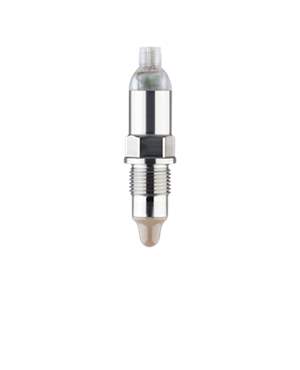
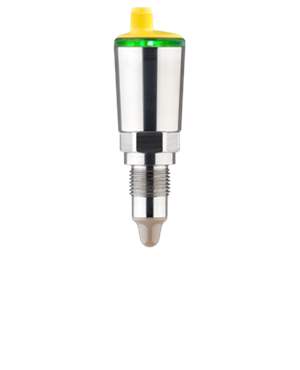
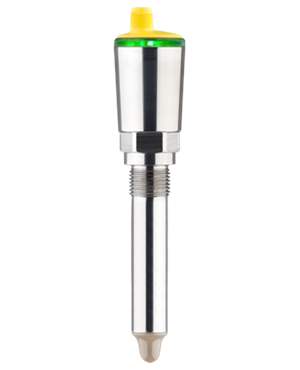
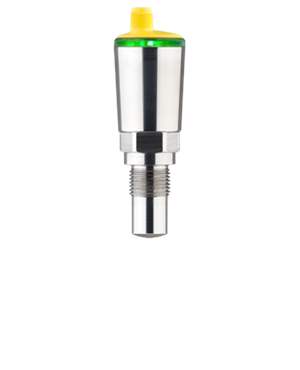
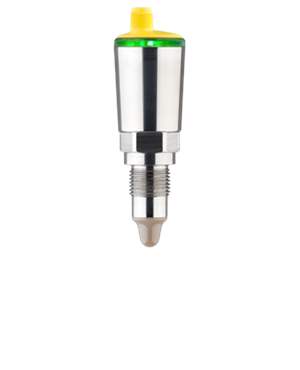
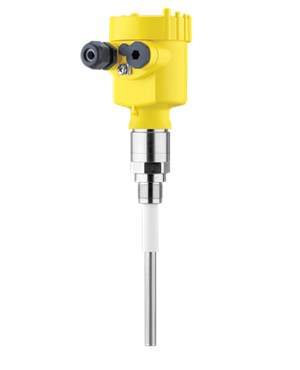
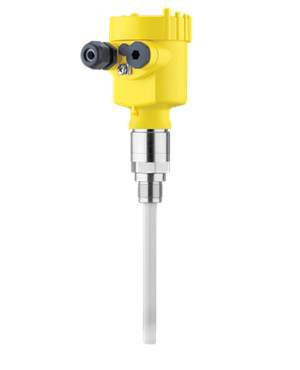
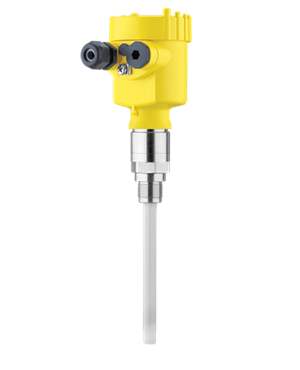
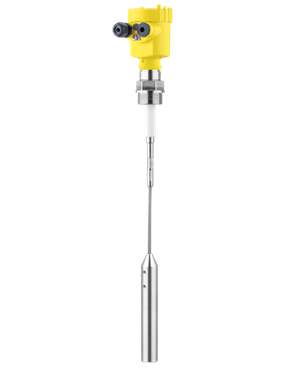
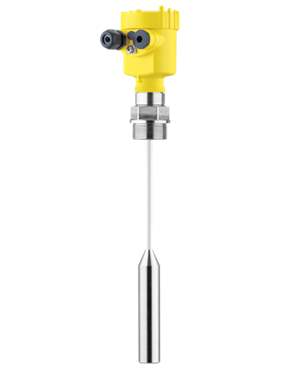
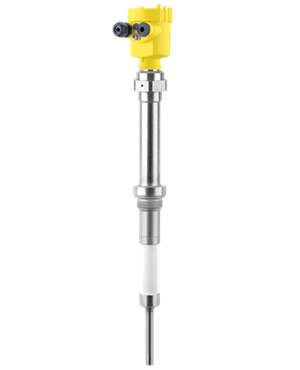
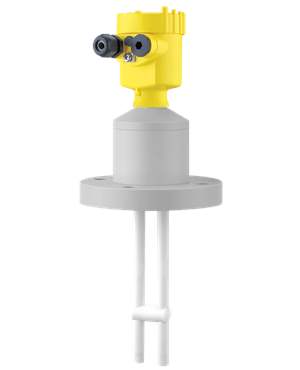
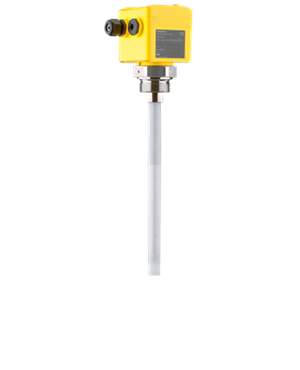
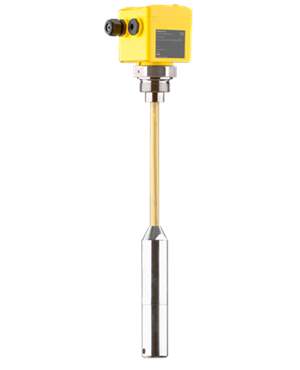
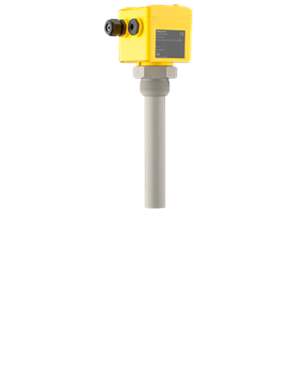
Capacitive level switches are available in compact, rod, and cable probe configurations. The appropriate design depends on vessel dimensions, mounting location, sensing range, and material characteristics.

Installation Considerations

Review:

  • Tank or vessel design
  • Mounting position
  • Available installation space
  • Process connection requirements
  • Environmental conditions

Application Objectives

Determine whether the switch will be used for:

  • High-level alarm indication
  • Low-level alarm indication
  • Overfill protection
  • Dry-run protection
  • Interface detection

Proper specification helps ensure long-term reliability and consistent switching performance.

Why Capacitive Level Switches Are Used for Process Control Applications

Capacitive level switches are widely used for industrial process control because they provide reliable point level detection across a broad range of materials and operating conditions.

Their ability to detect liquids, powders, granules, and bulk solids without moving mechanical components helps reduce maintenance requirements while supporting dependable operation. This versatility allows capacitive level switches to be used for equipment protection, inventory management, process automation, and safety-critical applications throughout industrial facilities.

Industrial Supply Capability and Technical Support

Our range of capacitive level switches supports industrial point level detection requirements for liquids, powders, bulk solids, and process vessels. Available solutions are suitable for overfill protection, dry-run prevention, inventory monitoring, and process control applications.

Technical support is available to assist with product selection, application review, and compatibility requirements based on specific operating conditions.

Frequently Asked Questions About Capacitive Level Switches

How does a capacitive level switch work?

A capacitive level switch measures changes in capacitance caused by the presence of material near the sensing probe. When the process media reaches the detection point, the switch activates an output signal.

What materials can capacitive level switches detect?

Capacitive level switches can detect conductive and non-conductive liquids, powders, granules, bulk solids, slurries, and viscous materials.

Can capacitive level switches be used for both liquids and solids?

Yes. Capacitive level switches are commonly used for point level detection in both liquid storage and bulk solids handling applications.

What is the difference between a capacitive level switch and a vibrating level switch?

A capacitive level switch detects changes in electrical capacitance, while a vibrating level switch responds to changes in vibration characteristics when material contacts the sensor.

Are capacitive level switches suitable for overfill protection?

Yes. Capacitive level switches are frequently used as high-level alarms and overfill protection devices in tanks, vessels, silos, and storage systems.