QUICK ENQUIRY


Vega Guided Wave Radar Level Sensors

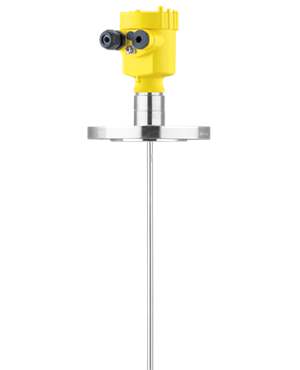
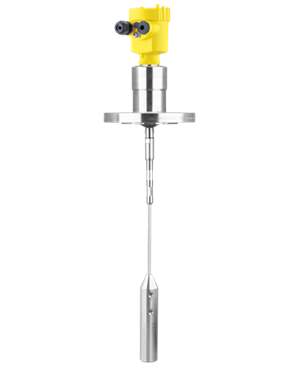
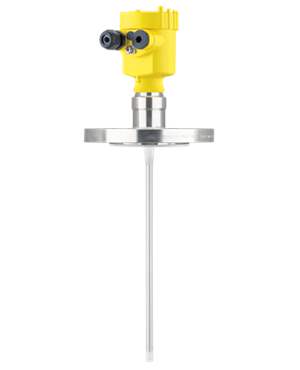
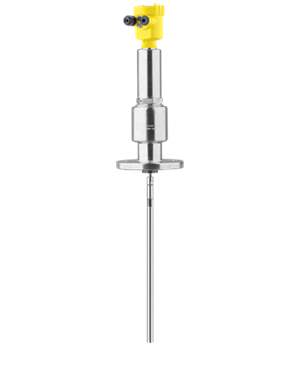
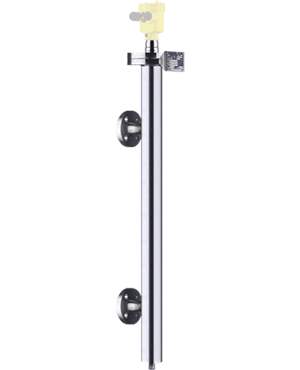
Vega Guided Wave Radar Level Sensors, including the VEGAFLEX 81, 82, 83, 86, and VEGAPASS 81, are designed for accurate continuous level and interface measurement in demanding industrial applications. Built on Time Domain Reflectometry (TDR) technology, these sensors provide reliable performance in conditions involving vapor, foam, pressure, and temperature variations.

Alongside these solutions, Vega Ultrasonic Level Sensors are widely used for non-contact measurement in stable environments such as water, wastewater, and storage applications. Together, Vega offers a complete level measurement portfolio to handle both standard and complex process conditions.

What Are Vega Guided Wave Radar Level Sensors?

Vega guided wave radar sensors use microwave pulses transmitted along a probe to measure level based on signal reflection time. This TDR-based technology ensures precise and stable measurement regardless of process conditions. Compared to ultrasonic sensors, guided wave radar performs reliably in environments with vapor, turbulence, or changing temperature and pressure.

Vega Guided Wave Radar Product Range

VEGAFLEX 81: Designed for liquid level measurement in standard industrial tanks, providing stable and reliable performance in typical process environments.

VEGAFLEX 82: Suitable for both liquids and bulk solids, offering flexibility across multiple industries and process conditions.

VEGAFLEX 83: Optimized for hygienic applications in food, beverage, and pharmaceutical industries where cleanability and precision are essential.

VEGAFLEX 86: Engineered for extreme process conditions including high temperature, high pressure, and aggressive media.

VEGAPASS 81: Designed for specialized applications such as level detection through vessel walls using microwave barrier technology.

Vega Sensor Model Comparison

Compare key Vega guided wave radar models to identify the right solution for your application:

Model

Best Application

Technology

Output

VEGAFLEX 81

Liquid tanks

Guided Wave Radar (TDR)

4–20 mA / HART

VEGAFLEX 82

Liquids & solids

Guided Wave Radar (TDR)

4–20 mA / HART

VEGAFLEX 83

Hygienic processes

Guided Wave Radar (TDR)

4–20 mA / HART

VEGAFLEX 86

High temperature & pressure

Guided Wave Radar (TDR)

4–20 mA / HART

VEGAPASS 81

External vessel detection

Microwave barrier

Relay / Digital

Technical Capabilities of Vega Guided Wave Radar Sensors

Vega guided wave radar sensors typically support measurement ranges up to 75 meters, depending on probe type and application conditions. They are suitable for accurate level measurement in both liquids and bulk solids across a wide range of industrial processes.

VEGAFLEX sensors are capable of measuring interface levels between two liquids with different dielectric constants, such as oil and water. This makes them highly effective for separation processes and storage tank monitoring.

These sensors support standard industrial output signals including 4–20 mA with HART communication. Selected models also offer compatibility with Fieldbus systems for integration into advanced process control environments.

Vega guided wave radar sensors are designed for use in hazardous areas and are available with internationally recognized approvals, ensuring safe operation in explosive environments.

Multiple process connection options are available, including threaded, flanged, and hygienic fittings. This allows flexible installation across tanks, vessels, and process systems in various industries.

Where Vega Ultrasonic Level Sensors Fit

Vega Ultrasonic Level Sensors are best suited for non-contact measurement in stable process conditions such as water treatment, chemical storage, and open tank monitoring. They offer a cost-effective solution for standard applications and are widely used where ease of installation and minimal maintenance are priorities.

Why Choose Vega Measurement Technology?

Vega is globally recognized for its expertise in level and pressure measurement technology. Their portfolio, including ultrasonic and guided wave radar sensors, is designed to provide accurate, reliable, and long-term performance across a wide range of industrial applications. This combination allows users to select the most suitable technology based on process requirements.

Applications Across Industries

Vega sensors are used in oil and gas for tank level and interface measurement, in chemical processing for handling aggressive media, and in food and beverage industries for hygienic applications. They are also widely applied in wastewater treatment, bulk material storage, and industrial manufacturing where accurate level monitoring is essential for process efficiency and safety.

Availability and Support

Vega guided wave radar and ultrasonic level sensors are available through trusted suppliers, offering reliable sourcing and technical assistance. Selecting the right model depends on process conditions, measurement range, and application requirements, making expert support an important part of implementation.

Frequently Asked Questions (FAQ's)

What is the advantage of guided wave radar over ultrasonic sensors?

Guided wave radar provides more reliable measurement in challenging conditions such as vapor, foam, pressure, and temperature variations where ultrasonic sensors may be affected.

When should I use Vega ultrasonic level sensors?

Ultrasonic sensors are ideal for non-contact level measurement in stable environments such as water tanks, open channels, and standard storage applications.

Can VEGAFLEX sensors measure interface levels?

Yes, VEGAFLEX sensors can measure interface levels between liquids with different densities, such as oil and water, ensuring accurate separation monitoring.

Are Vega sensors suitable for harsh environments?

Yes, guided wave radar sensors like VEGAFLEX 86 are specifically designed to operate in high temperature, pressure, and chemically aggressive environments.

What industries use Vega level sensors?

They are widely used in oil and gas, chemical processing, food and beverage, wastewater treatment, and industrial manufacturing applications.