In industrial operations, accurate measurement data is essential for safe and efficient performance. Industrial transducers make this possible by converting physical parameters such as pressure, temperature, force, or displacement into electrical signals that instrumentation and control systems can monitor, record, and process. Whether a pressure transducer is supervising a hydraulic circuit or a temperature transducer is monitoring a critical chemical process, consistent and repeatable data remains fundamental to informed operational decisions. At The Transmitter Shop, we supply industrial transducers built for demanding process conditions. Our products are selected for reliability, long-term stability, and measurement accuracy in environments where performance directly impacts product quality, operational safety, and regulatory compliance.
Types of Industrial Transducers Offered by TTS
Not all transducers are the same. The type you need depends on what you are measuring and where, depending on process conditions, output compatibility, environmental constraints, and other parameters. Here are some types of industrial transducers we offer.
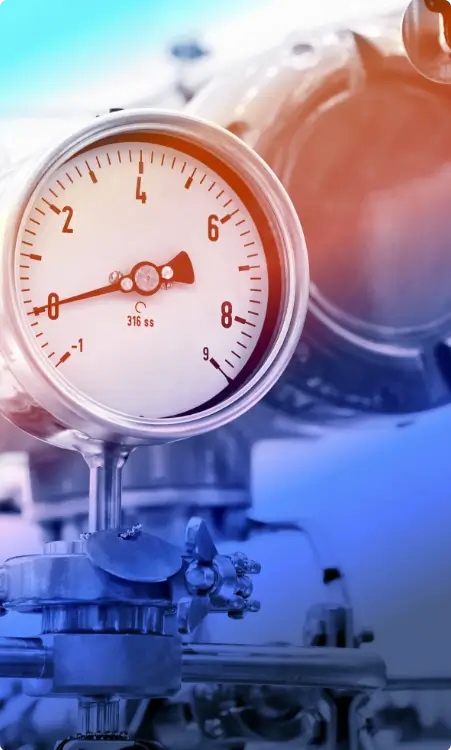
- Pressure Transducers: These devices convert applied pressure into an electrical signal, typically 4–20 mA or 0–10 V DC. A pressure transducer is one of the most widely used instruments in process industries. These devices are installed on pipelines, reactors, compressors, and filtration systems. They measure gauge pressure, absolute pressure, or differential pressure depending on the configuration. Reliable pressure measurement supports process stability and equipment protection.
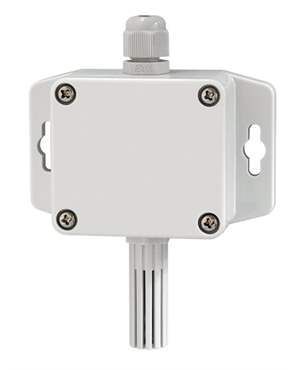
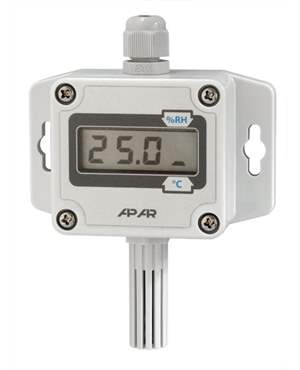
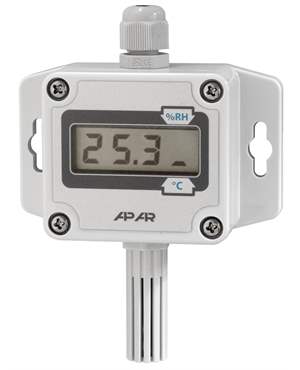
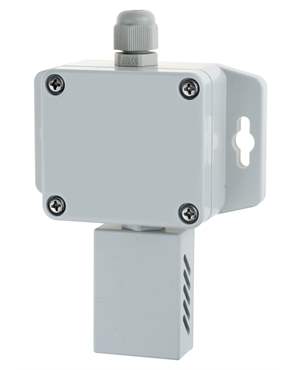
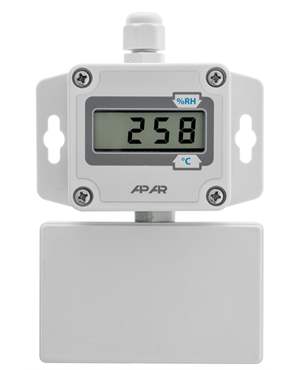
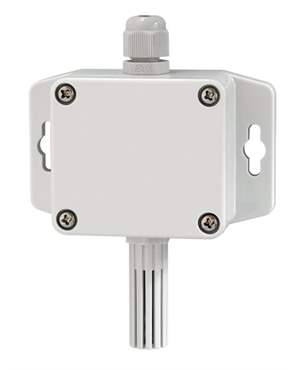
- Temperature and Humidity Transducers: Temperature transducers convert thermal energy into a precise electrical output for monitoring and control systems. Units equipped with integrated humidity sensors measure relative humidity with high accuracy. These transducers are essential in applications where environmental conditions directly affect product quality. Stable temperature and humidity monitoring helps maintain compliance and process consistency.
- Flow Transducers: These transducers measure the rate of fluid or gas movement in industries ranging from oil and gas to water utilities. Accurate flow measurement supports inventory control, energy management, and process optimization.
- Level Transducers: These transducers detect the level of liquids or bulk materials in tanks, silos, or vessels. Hydrostatic pressure-based models are suitable for most storage applications. Consistent level monitoring prevents overflow, reduces material loss, and improves operational efficiency.
Key Features of Industrial Transducers
Here are some common beneficial features of our industrial transducers.
- Accuracy and repeatability: Our industrial-grade transducers typically offer accuracy within ±0.1% to ±0.5% of full scale. They offer repeatability in continuous process environments with consistent and accurate readings over time.
- Output signal type: Standard outputs include 4–20 mA (most common for long-distance signal transmission), 0–5 V, 0–10 V, and digital protocols such as HART, Modbus, or PROFIBUS. We help you match the output compatibility with your control system such as PLCs, SCADA, and more.
- Ingress protection rating: We offer transducers with IP65 or IP67-rated housings to protect against dust and water ingress; this is what most industrial environments require. We also offer ones IP68 rating for harsh outdoor or washdown applications.
- Environmental Tolerance: Some transducers need to survive extreme temperatures, vibration, or corrosive environments. We help you select materials and housing designs accordingly to extend lifespan and maintain performance.
- Response Time: For fast-changing processes, quick response is essential as slow transducers can miss critical fluctuations, affecting process control. We offer transducers with fast response time.
- Vibration and shock resistance: Mechanical environments vary. Compressor skids and mobile equipment create significant vibration. We help you choose the transducer with the right rating for these parameters.
- Long-term stability: Sensor drift over time affects measurement accuracy. We ensure to provide transducers for long-term stability specifications, not just initial accuracy.
Applications of Industrial Transducers
Pressure transducers and temperature transducers are widely used across multiple industrial sectors due to their reliability and measurement accuracy. Below are some of the key application areas where these instruments play a critical role.
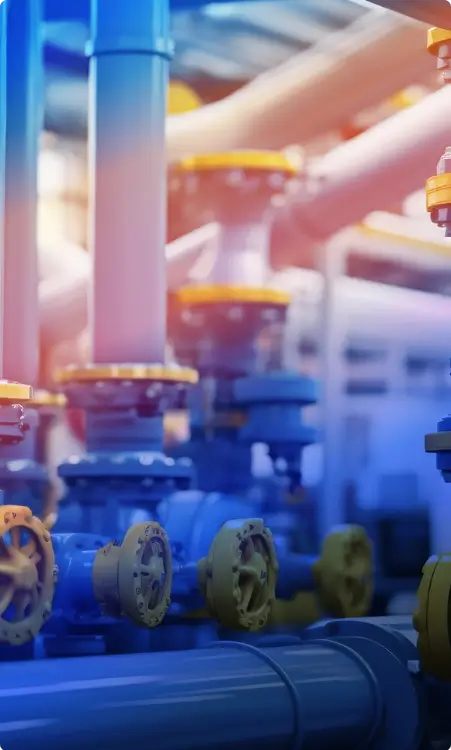
- Process Control Systems: Pressure and temperature transducers feed real-time data to control systems in chemical plants, refineries, and water treatment facilities. Accurate readings ensure the right mix of materials and safe operating conditions.
- Hydraulic and Pneumatic Systems: Pressure transducers are installed to monitor cylinders, pumps, and control valves. Accurate pressure measurement helps prevent leaks, system overloading, and premature equipment failure. Maintaining stable operating pressure improves system reliability and extends component life.
- HVAC and Refrigeration: Temperature transducers monitor airflow conditions, coolant temperatures, and overall system efficiency. Precise measurement allows engineers to optimize energy consumption while preventing overheating or freezing conditions that could damage equipment.
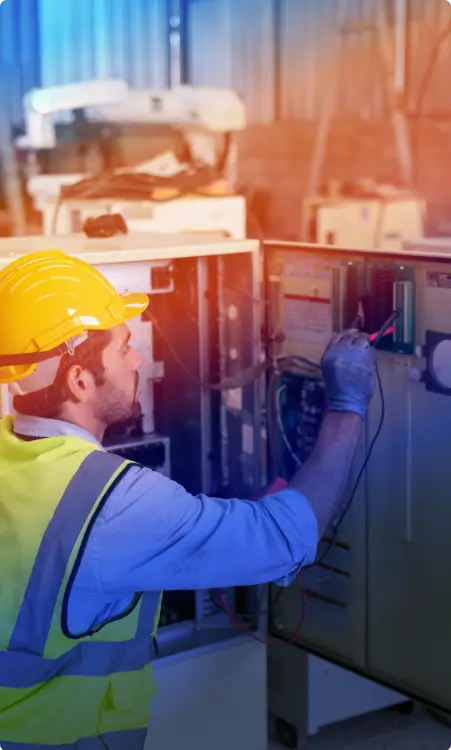
- Manufacturing and Automation: In applications such as welding robots, CNC machinery, and injection molding systems, continuous monitoring of temperature and pressure supports consistent production quality. Stable process parameters reduce material waste and minimize unplanned downtime.
- Safety and Compliance Monitoring: Industries with strict regulatory requirements, including food processing, pharmaceuticals, and oil and gas, depend on transducers for accurate environmental and process measurement. Reliable data supports compliance reporting and helps reduce operational risk.
How to Select the Right Transducer
Selecting the wrong transducer can result in significant financial loss and operational disruption. The following considerations will help guide an informed selection based on your specific application requirements.
- Define What You Are Measuring: Identify whether the application requires pressure, temperature, flow, or level measurement. This initial classification determines the appropriate transducer type. An incorrect assessment at this stage often leads to unsuitable product selection and performance limitations.
- Evaluate Process Conditions: Review the operating pressure or temperature range, as well as the characteristics of the process media. Consider whether the media is corrosive, viscous, abrasive, or prone to fouling. The presence of particulate matter must also be assessed. These factors directly influence material compatibility and sensor construction.
- Confirm Electrical Requirements: Verify the output signal required by your control system, such as 4–20 mA or voltage output. Confirm the available supply voltage and whether the installation supports 2-wire or 4-wire configurations. Electrical incompatibility can lead to integration challenges and additional installation costs.
- Assess the Installation Environment: Determine whether the transducer will operate in a hazardous or classified area, or if it will be exposed to washdowns, vibration, or temperature extremes. Environmental conditions define the necessary certifications, enclosure rating, and mechanical durability.
Frequently Asked Questions (FAQs)
-
What is the difference between a sensor and a transducer?
A sensor detects a physical variable, such as pressure, temperature, and light and produces a raw response. A transducer takes that detection and converts it into a usable, standardized electrical signal. In practice, many people use the terms interchangeably, and in many products the sensor and transducer function are integrated into the same unit.
-
Can transducers operate in high-temperature environments?
Yes. Many industrial transducers are available in high-temperature versions rated for process temperatures up to 400°C or higher, depending on the design. For extreme heat applications, cooling elements or remote diaphragm seals are used to protect the sensing electronics.
-
How often should a transducer be calibrated?
Calibration frequency depends on the application criticality, regulatory requirements, and the manufacturer's stability specifications. In general process monitoring, annual calibration is common. For safety-critical or legally regulated measurements, more frequent calibration may be required, sometimes every three to six months. Many modern digital transducers include self-diagnostic features that can flag potential drift conditions between scheduled calibrations. Always follow the manufacturer's recommended calibration interval as a baseline, and adjust based on your process requirements and operational experience.