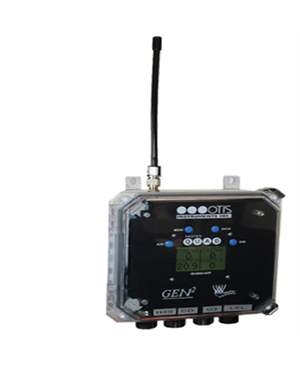
Gas Detectors

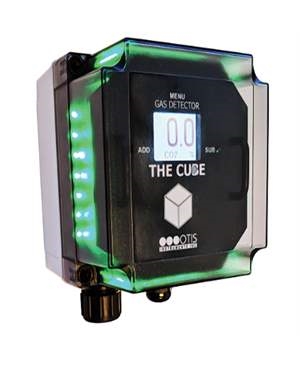
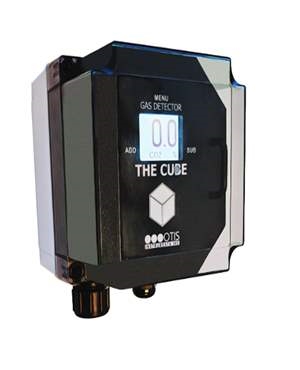
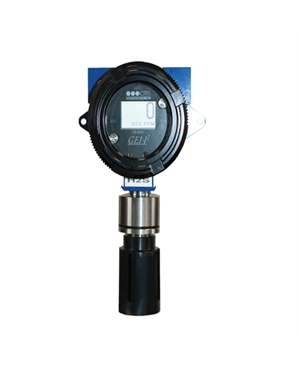
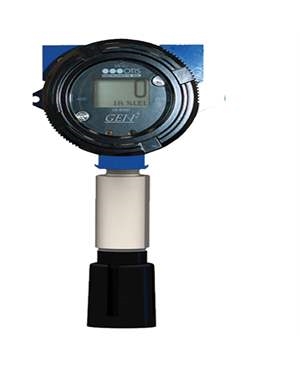
Industrial environments handling combustible, toxic, or oxygen-displacing gases require reliable continuous monitoring to maintain operational safety and process reliability. Industrial gas detectors help identify hazardous gas leaks in real time, reducing the risk of fire hazards, toxic exposure, equipment damage, and unplanned shutdowns.

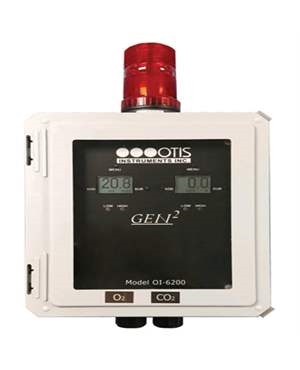
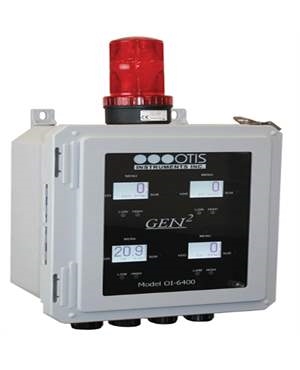
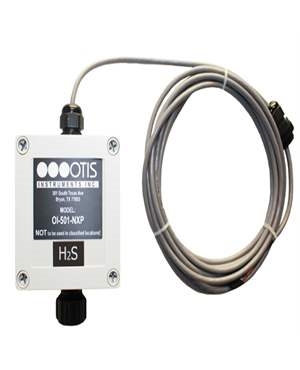
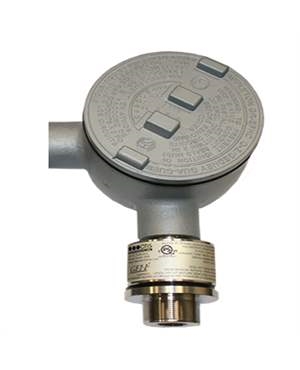
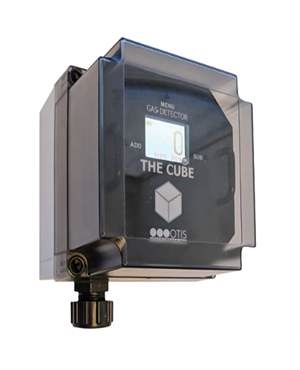
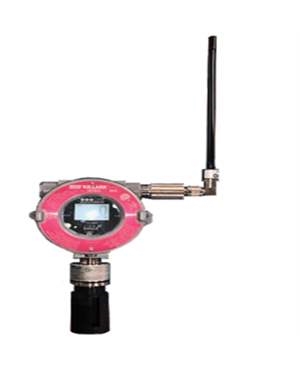
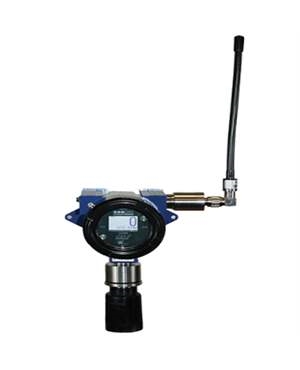
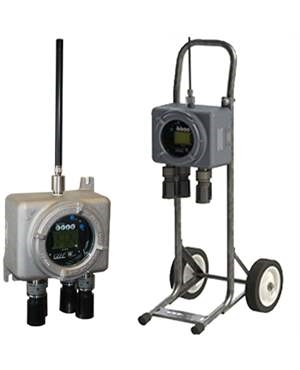
A properly configured fixed gas detection system provides continuous monitoring across critical process areas. Whether deployed as awired gas detector network for centralized monitoring or installed as wireless gas detectors for flexible coverage, these systems support reliable gas monitoring in demanding industrial applications.

Filter By

Fixed, Wired, and Wireless Gas Detector Configurations

Industrial gas detection systems are available in multiple configurations depending on plant layout, monitoring requirements, and installation conditions.

Fixed Gas Detectors

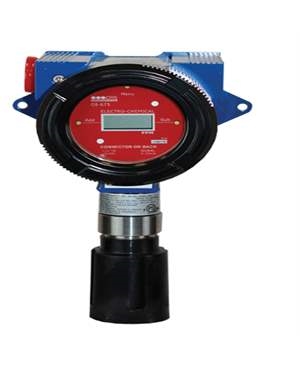
Fixed gas detectors are permanently installed in designated monitoring zones and continuously measure gas concentrations in real time. These systems are commonly used in refineries, chemical plants, compressor rooms, storage terminals, and enclosed process environments.

Wired Gas Detector Systems

A wired gas detector configuration connects field detectors directly to centralized control panels or monitoring systems. Wired systems are commonly selected for:

  • Large industrial facilities
  • Continuous process monitoring
  • Centralized alarm management
  • Integration with PLC and SCADA systems

Wired gas detection systems provide stable communication and are widely used in fixed industrial installations.

Wireless Gas Detectors

Wireless gas detectors are used in locations where cable installation is difficult or where flexible deployment is required. These systems simplify expansion and reduce installation complexity in large industrial facilities.

Fixed Gas Detection System Architecture

A typical fixed gas detection system includes:

  • Gas detector sensors
  • Control panels
  • Audible and visual alarm devices
  • Relay outputs for shutdown systems
  • Communication interfaces for automation systems

The system continuously monitors gas concentration levels and activates alarms when configured thresholds are exceeded.

Industrial Gas Detection Technologies and Operating Principles

Industrial gas detectors use different sensing technologies depending on the gas type, detection range, and application environment.

Electrochemical Gas Detectors

Used for detecting toxic gases such as:

  • Carbon monoxide (CO)
  • Hydrogen sulfide (H₂S)
  • Chlorine (Cl₂)
  • Ammonia (NH₃)

Electrochemical sensors provide high sensitivity and accurate low-level gas detection.

Catalytic Bead Gas Detectors

Catalytic bead sensors are commonly used for combustible gas detection in industrial environments containing hydrocarbons and flammable vapors.

Infrared (IR) Gas Detectors

Infrared gas detectors are used for hydrocarbon gases and carbon dioxide monitoring. These sensors provide stable performance and reduced susceptibility to sensor poisoning.

Semiconductor Gas Detectors

Semiconductor sensors are used for broader gas detection applications where environmental monitoring and general gas sensing are required.

The selection of sensing technology depends on the target gas, operating conditions, environmental factors, and response time requirements.

Hazardous Industrial Environments Requiring Gas Detection

Industrial gas detectors are deployed in environments where gas accumulation presents operational or personnel risk.

Oil & Gas Facilities

Used for hydrocarbon leak detection, combustible gas monitoring, and toxic gas detection in upstream, midstream, and downstream operations.

Chemical Processing Plants

Supports continuous monitoring of toxic and flammable gases in reactors, storage tanks, and processing units.

Power Generation Facilities

Gas detectors monitor turbine halls, boiler systems, battery rooms, and enclosed utility spaces.

Wastewater Treatment Plants

Used for methane and hydrogen sulfide monitoring in confined treatment areas and sludge processing systems.

Manufacturing and Industrial Processing

Supports gas leak monitoring in welding operations, solvent storage areas, production facilities, and confined workspaces.

Industrial gas detectors help maintain safe operating conditions in hazardous process environments where continuous monitoring is critical.

Technical Features and Detection Capabilities

Industrial gas detectors are designed for continuous operation in demanding process environments.

Detection Capabilities

  • Combustible gas detection
  • Toxic gas monitoring
  • Oxygen deficiency and enrichment detection
  • Multi-gas monitoring capability

System Features

  • Real-time gas concentration monitoring
  • Adjustable alarm thresholds
  • Audible and visual alarm indication
  • Relay outputs for shutdown and ventilation systems
  • Continuous monitoring functionality

Communication and Integration

Industrial gas detection systems may support:

  • 4–20 mA analog output
  • Modbus communication
  • PLC integration
  • DCS and SCADA connectivity

Environmental Protection

Industrial detectors are available with:

These features ensure reliable operation in harsh industrial environments.

Selection Considerations for Industrial Gas Detectors

Selecting the appropriate gas detector requires evaluating the operating environment, target gas characteristics, system architecture, and integration requirements. Improper detector selection can lead to inaccurate readings, delayed response times, false alarms, or unreliable long-term performance in hazardous industrial environments.

Target Gas Identification

The first step is identifying the gases that must be monitored within the facility. Industrial gas detectors are commonly configured for:

  • Combustible hydrocarbon gases
  • Toxic process gases
  • Oxygen deficiency or enrichment monitoring
  • Multi-gas detection applications

Different gases require different sensing technologies and detection ranges depending on process conditions and exposure risks.

Detection Technology Selection

Sensor technology should be selected based on gas type, operating environment, and maintenance requirements.

  • Electrochemical sensors are commonly used for toxic gas monitoring
  • Catalytic bead detectors are widely used for combustible gas detection
  • Infrared sensors are preferred for hydrocarbon gases and environments where sensor poisoning may occur
  • Semiconductor sensors are used for broader environmental gas detection applications

Selecting the correct sensing technology improves detection stability and response reliability.

Fixed, Wired, or Wireless Configuration

System architecture should align with facility infrastructure and monitoring objectives.

Fixed Gas Detection System
Suitable for permanent industrial installations requiring continuous monitoring and centralized alarm management.

Wired Gas Detector Systems
Preferred in large industrial facilities where stable communication, centralized control, and PLC/SCADA integration are required.

Wireless Gas Detectors
Used where cable installation is difficult, temporary monitoring is needed, or future expansion flexibility is important.

Hazardous Area Classification

Gas detectors installed in hazardous industrial environments must comply with area classification requirements.

Consider:

  • Explosion-proof housing requirements
  • Intrinsically safe configurations
  • Environmental protection ratings (IP/NEMA)
  • Temperature classification compatibility

Detector certification requirements should align with site safety standards and operating conditions.

Environmental and Process Conditions

Operating conditions directly affect sensor performance and detector lifespan.

Evaluate:

  • Ambient temperature range
  • Humidity exposure
  • Dust concentration
  • Corrosive atmosphere exposure
  • Vibration and mechanical stress

Harsh industrial conditions may require specialized detector enclosures or sensor technologies.

Response Time and Alarm Strategy

Detection response time is critical in high-risk process environments.

System design should consider:

  • Required alarm thresholds
  • Automatic shutdown requirements
  • Ventilation system activation
  • Audible and visual alarm placement

Fast response and proper alarm configuration improve operational safety during leak events.

Integration with Industrial Control Systems

Industrial gas detectors are often integrated into broader plant automation and safety systems.

Confirm compatibility with:

  • PLC systems
  • DCS infrastructure
  • SCADA platforms
  • Emergency shutdown systems
  • Remote monitoring interfaces

Proper integration enables centralized monitoring, alarm logging, and automated safety response.

Maintenance and Calibration Requirements

Routine maintenance and calibration are essential for maintaining detection accuracy.

Selection should consider:

  • Calibration frequency
  • Sensor replacement intervals
  • Ease of maintenance access
  • Availability of replacement sensors and spare parts

Detectors designed for simplified maintenance reduce downtime and long-term operating costs.

Industrial Supply Capability and Technical Support

Gas detectors in this category are intended for industrial safety monitoring and hazardous area applications. Available configurations support continuous monitoring across fixed installations, wired gas detector systems, and wireless gas detection networks.

Solutions are available for:

  • Combustible gas detection
  • Toxic gas monitoring
  • Multi-gas detection systems
  • Hazardous industrial environments
  • Industrial process safety applications

Technical support is available to assist with detector selection, system configuration, and application compatibility.

Frequently Asked Questions About Gas Detectors

What is the difference between fixed and wireless gas detectors?

Fixed gas detectors are permanently installed and continuously monitor designated areas. Wireless gas detectors provide flexible deployment where cable installation is difficult or temporary monitoring is required.

What gases can industrial gas detectors monitor?

Industrial gas detectors can monitor combustible gases, toxic gases, oxygen deficiency, oxygen enrichment, and multiple gas combinations depending on sensor configuration.

How does a fixed gas detection system work?

A fixed gas detection system continuously measures gas concentration levels through installed detectors connected to a control panel. When gas concentration exceeds configured limits, alarms and automated safety responses are activated.

What is the advantage of a wired gas detector system?

Wired gas detector systems provide stable communication, centralized monitoring, and integration with industrial automation systems such as PLC, DCS, and SCADA platforms.

Can industrial gas detectors support multi-gas monitoring?

Yes. Multi-gas systems can monitor multiple hazardous gases simultaneously using dedicated sensors configured within the same monitoring system.