QUICK ENQUIRY
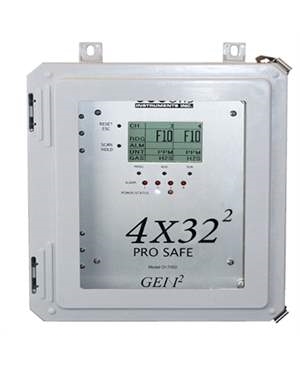
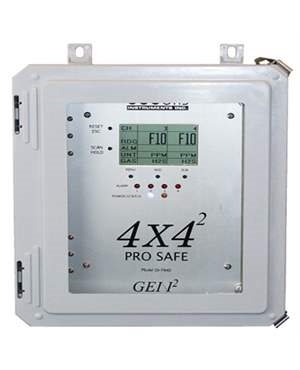
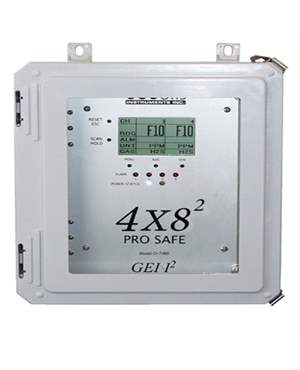
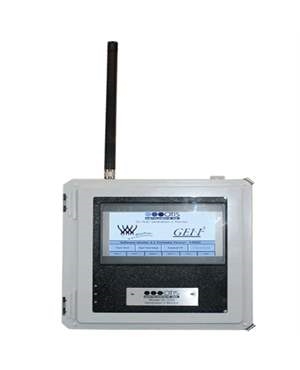
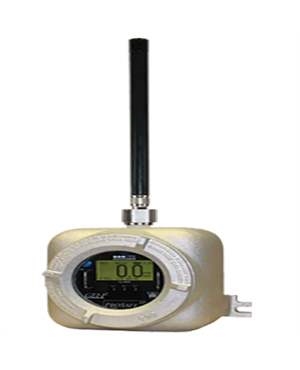
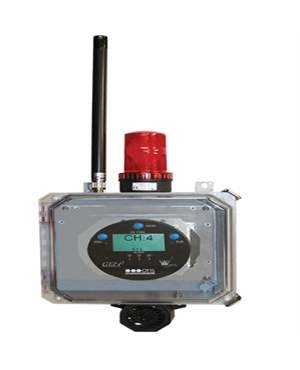
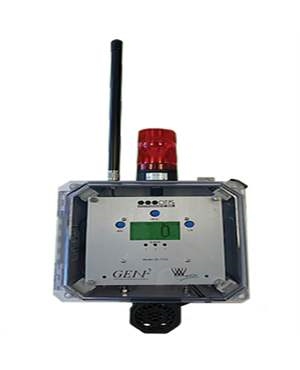
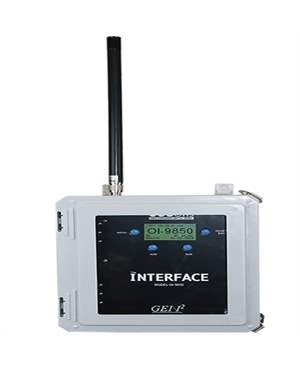
Gas Monitoring Systems are designed for continuous detection and monitoring of hazardous gases in industrial environments where real-time safety monitoring, leak detection, and centralized alarm management are critical. These systems support fixed and wireless gas monitoring applications across process industries, manufacturing facilities, refineries, chemical plants, utility operations, and hazardous industrial locations.
Industrial gas monitoring systems help facilities maintain operational safety by providing continuous monitoring of combustible gases, toxic gases, and oxygen-deficient environments. Depending on application requirements, monitoring systems can be configured with wireless communication networks, fixed wired installations, centralized controllers, alarm signaling devices, and integration capability with PLC and SCADA platforms.
Filter By
Industrial gas monitoring applications often require different system architectures depending on facility layout, monitoring coverage, communication infrastructure, and hazardous area requirements. Gas Monitoring Systems are available in multiple configurations to support centralized monitoring, distributed sensor networks, and continuous industrial safety monitoring.
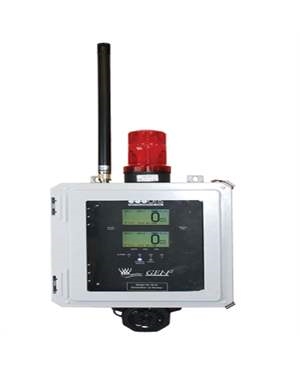
Wireless gas monitoring systems are commonly used in facilities where traditional wired installation may be difficult, costly, or operationally restrictive. These systems support flexible deployment across remote process areas, temporary monitoring zones, tank farms, confined spaces, and large industrial sites.
Wireless monitoring networks help reduce installation complexity while supporting real-time communication between gas detectors, controllers, and centralized monitoring systems. These systems are commonly implemented in:
Wireless configurations also support scalable monitoring expansion as facility requirements evolve.
Wired gas monitoring systems are commonly deployed in permanent industrial installations where centralized monitoring and stable communication infrastructure are required. Fixed wired systems provide continuous monitoring capability with direct integration into industrial control systems and facility alarm infrastructure.
These systems are frequently used for:
Wired monitoring systems are commonly integrated with:
Gas Monitoring Systems play a critical role in industrial safety applications where hazardous gases may be present during normal operations, maintenance activities, or emergency conditions. Continuous monitoring helps facilities identify gas leaks, atmospheric hazards, and unsafe operating conditions before they escalate into operational or safety incidents.
Oil and gas environments often require continuous monitoring for combustible gases, hydrocarbon leaks, hydrogen sulfide exposure, and oxygen-deficient conditions. Gas monitoring systems are widely deployed throughout:
These systems help support continuous hazardous gas monitoring while integrating with plant-wide safety and automation infrastructure.
Chemical processing operations frequently require monitoring for toxic gases, volatile compounds, and process-related emissions. Gas monitoring systems support continuous detection in:
Industrial monitoring systems in these facilities often require corrosion-resistant construction, centralized alarm management, and compatibility with hazardous-area installation requirements.
Manufacturing plants and utility operations commonly use gas monitoring systems to support workplace safety, equipment protection, and environmental monitoring requirements. Monitoring systems may be used in:
Continuous monitoring helps improve operational visibility while supporting facility safety programs and industrial compliance requirements.
Modern Gas Monitoring Systems are commonly integrated into larger industrial automation and facility monitoring infrastructure. Integration capability allows facilities to centralize alarm management, monitor operating conditions in real time, and improve response coordination during hazardous gas events.
Gas monitoring systems can be integrated with PLC platforms to support:
PLC integration also allows facilities to incorporate gas monitoring into broader industrial process safety strategies.
SCADA integration enables centralized monitoring and supervisory control across multiple industrial monitoring points. Gas monitoring systems with SCADA compatibility support:
This integration is particularly important in large industrial facilities where operators require visibility across multiple hazardous areas and monitoring zones.
Many industrial gas monitoring systems support communication protocols including:
These communication capabilities support compatibility with existing industrial automation infrastructure while simplifying system integration.
Industrial gas monitoring systems may be configured using fixed monitoring networks, wireless sensor systems, or hybrid communication architectures depending on operational requirements and facility conditions.
Fixed gas monitoring systems are designed for continuous area monitoring in permanent industrial installations. These systems are typically installed in locations where:
Fixed systems support centralized monitoring while maintaining continuous communication with controllers and alarm systems.
Wireless gas monitoring systems provide deployment flexibility for industrial environments requiring:
Wireless monitoring can improve installation flexibility while maintaining continuous communication between monitoring devices and centralized systems.
Continuous gas monitoring allows facilities to detect hazardous gas conditions in real time. Monitoring systems may be configured for:
Continuous monitoring capability helps facilities improve operational awareness while supporting rapid response procedures.
Selecting the appropriate Gas Monitoring Systems depends on several operational, environmental, and integration-related considerations. Industrial facilities often evaluate monitoring systems based on application requirements, communication infrastructure, hazardous area conditions, and scalability requirements.
Facility size, equipment layout, and hazard zones influence the type of monitoring configuration required. Large facilities may require:
Smaller applications may use localized fixed monitoring systems for specific process areas or confined industrial spaces.
Monitoring systems installed in hazardous industrial locations may require:
Installation conditions often influence sensor placement, communication architecture, and enclosure requirements.
Industrial facilities frequently prioritize monitoring systems that support:
Scalable monitoring architecture allows facilities to expand monitoring coverage as operational requirements evolve.
Industrial monitoring requirements often change as facilities expand operations, modify production processes, or increase safety monitoring coverage. Modern Gas Monitoring Systems support scalable deployment and compatibility with multiple monitoring technologies.
Gas monitoring systems can support integration with multiple sensor types for:
Multi-sensor compatibility improves operational flexibility while supporting centralized industrial safety monitoring.
Centralized monitoring systems help operators manage alarm conditions across multiple facility areas from a single control interface. Alarm integration may include:
These systems support faster operational response during hazardous gas events.
Scalable gas monitoring systems allow industrial facilities to:
This flexibility supports long-term operational planning and evolving industrial safety requirements.
Gas Monitoring Systems are used for continuous detection and monitoring of hazardous gases in industrial environments. These systems help identify gas leaks, toxic gas exposure, combustible gas accumulation, and oxygen-deficient conditions.
Wired gas monitoring systems use fixed communication infrastructure for permanent installations, while wireless gas monitoring systems provide flexible deployment for remote, temporary, or difficult-to-wire industrial environments.
Yes. Many industrial gas monitoring systems support integration with PLC platforms, SCADA systems, centralized alarm panels, and industrial automation infrastructure using communication protocols such as Modbus and HART.
Gas Monitoring Systems are widely used in oil and gas facilities, chemical processing plants, manufacturing operations, utility facilities, refineries, wastewater treatment plants, and hazardous industrial environments.
Industrial gas monitoring systems may be configured to detect combustible gases, toxic gases, oxygen-deficient atmospheres, volatile organic compounds, and process-specific industrial gases.
Continuous gas monitoring helps facilities identify hazardous conditions in real time, improve operational safety, support emergency response procedures, and maintain visibility across hazardous industrial environments.