Monitoring and Controlling Energy Production in Power Plants
Brian Craig
September 27, 2023
The efficient production and distribution of energy are critical components of modern society, powering everything from homes and industries to transportation and technology. Within the vast landscape of energy production, power plants play a pivotal role in generating electricity from various sources, such as fossil fuels, nuclear reactions, renewable resources like wind and solar, and more. To ensure the consistent and reliable operation of these power plants, monitoring and controlling energy production is of paramount importance. In this context, transmitters emerge as indispensable tools that enable real-time data acquisition, analysis, and remote control, facilitating the optimization of power generation processes, safety, and environmental compliance.
Why Energy Production Monitoring Is Important
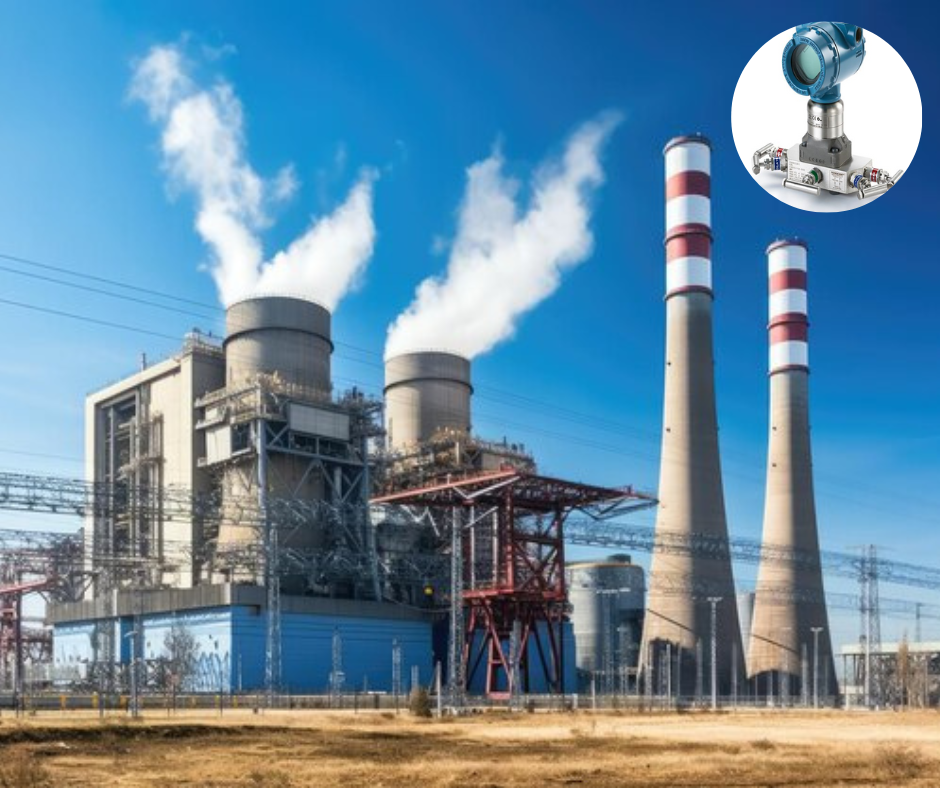
Power plants, irrespective of their energy source or technology, face numerous challenges in their day-to-day operations. These challenges encompass maintaining operational efficiency, minimizing downtime, ensuring equipment safety, complying with environmental regulations, and responding swiftly to fluctuating energy demands. Transmitters, in their role as data collection and transmission devices, offer a holistic solution to address these challenges effectively. By continually monitoring vital parameters such as temperature, pressure, flow, and emissions, transmitters provide operators and engineers with invaluable insights, allowing them to make informed decisions and adjustments in real-time.
Note: This blog includes image from source: Freepik.
Primary Methods Used For Power Generation in Power Plants?
Power plants are complex facilities designed to convert various energy sources into electricity or other usable forms of energy. The primary objective is to generate a consistent and reliable supply of electrical power to meet the demands of homes, businesses, and industries. Here's an overview of the main power generation processes commonly employed in power plants:
- Thermal Power Generation: This is the most common method, where heat energy is used to generate steam, which drives turbines connected to generators. Heat can be derived from fossil fuels (coal, natural gas, oil) or nuclear reactions.
- Hydroelectric Power Generation: Water is used to turn turbines, converting the kinetic energy of flowing water into electrical energy. It is a renewable and environmentally friendly method.
- Nuclear Power Generation: Nuclear reactions in a reactor core produce heat, which is used to produce steam and drive turbines, similar to thermal power generation.
- Renewable Energy Sources: These include solar, wind, and geothermal power generation. Solar panels convert sunlight into electricity, wind turbines harness wind energy, and geothermal plants use heat from the Earth's core to generate power.
- Combined Cycle Power Plants: These plants combine multiple methods, such as gas and steam turbines, to maximize efficiency and power output.
Factors Affecting Energy Production
The efficiency and output of a power plant are influenced by a range of factors. Understanding and managing these factors is crucial for optimizing energy production:
- Fuel Type: The choice of fuel source, whether it's coal, natural gas, nuclear, or renewable energy, significantly impacts energy production.
- Environmental Conditions: Weather, temperature, humidity, and altitude can affect the performance of power plants. For instance, extreme heat can reduce the efficiency of thermal power plants.
- Equipment Condition: The state of turbines, generators, and other machinery directly impacts energy production. Regular maintenance and monitoring are essential to ensure peak performance.
- Load Demand: Fluctuations in electricity demand can affect the operation of power plants. The ability to adjust energy production in response to changing demand is critical.
- Transmission and Distribution: Efficient transmission and distribution systems are essential for delivering electricity to end-users without significant losses.
- Regulatory Requirements: Compliance with environmental regulations, emission limits, and safety standards can influence energy production processes and technology choices.
Role of Transmitters in Power Plant Operations
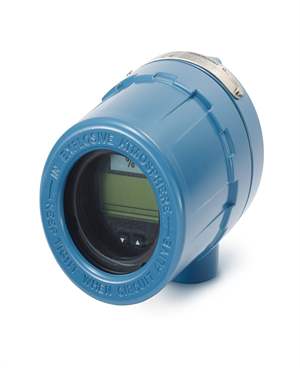
Transmitters play a pivotal role in the day-to-day operations of power plants. These electronic devices are responsible for collecting, processing, and transmitting critical data about various parameters within the plant. Here's how transmitters contribute to the smooth functioning of power plants:
- Data Collection: Transmitters are deployed throughout the power plant to measure essential parameters such as pressure, temperature, flow rate, and level. They convert physical measurements into electrical signals that can be analyzed and acted upon.
- Real-Time Monitoring: The data collected by transmitters is transmitted in real-time to control rooms and monitoring systems. This continuous stream of information allows operators to closely monitor the plant's performance and make immediate adjustments if necessary.
- Control Systems: Transmitters are an integral part of control systems within power plants. They provide the input necessary for automated control loops, enabling precise regulation of various processes to maintain optimal conditions.
- Safety: Transmitters also contribute to plant safety by monitoring parameters that, if not controlled, could lead to dangerous situations. For instance, they can detect high temperatures, low levels, or excessive pressure, triggering alarms or automatic shutdown procedures as needed.
- Data Logging: Transmitters often include data logging capabilities, allowing historical data to be stored for analysis, reporting, and compliance with regulatory requirements.
Types of Transmitters Used in Power Plants
Here, we have explain the four primary types of transmitters commonly employed in power plants:
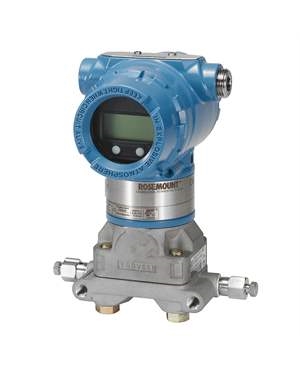
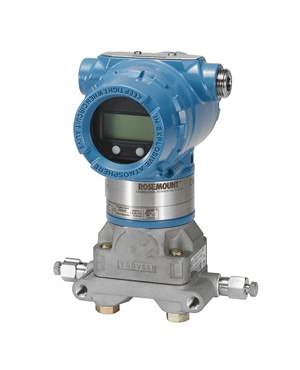
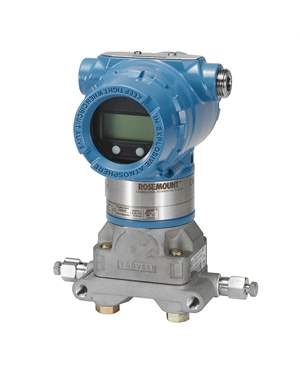
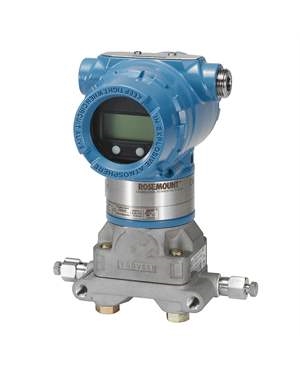
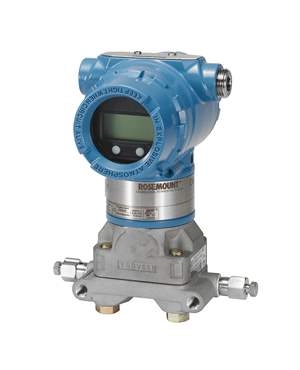
- Pressure Transmitters: Pressure transmitters are essential instruments in power plants that measure and transmit data regarding fluid or gas pressure within various plant components. They are deployed in critical applications such as monitoring boiler pressure to ensure safe steam generation, maintaining optimal pressure for turbines, and safeguarding pumps by ensuring they operate within specified pressure ranges. Pressure transmitters play a pivotal role in enhancing safety and efficiency throughout the power generation process.
- Temperature Transmitters: Temperature transmitters are indispensable for monitoring temperature levels in power plants. They are employed to gauge the temperature of gases, liquids, and machinery components critical to power generation. These transmitters play vital roles in applications ranging from maintaining cooling water temperatures within prescribed limits and ensuring safe reactor temperatures in nuclear power plants to optimizing heat recovery processes. Precise temperature monitoring is central to safe and efficient power plant operation.
- Flow Transmitters: Flow transmitters are instrumental in measuring the rate of fluid flow within pipelines and other components of power plants. Their primary purpose is to ensure that processes remain efficient and safe. Flow transmitters are deployed to monitor fuel flow into combustion chambers for optimal combustion, track coolant flow to prevent overheating in nuclear plants, and measure steam flow for efficient turbine operation. Reliable flow data is vital for maintaining the integrity of power generation processes.
- Level Transmitters: Level transmitters are used to measure the levels of liquids or solids within tanks, vessels, and storage units within power plants. These devices are critical for ensuring the proper functioning and safety of various power plant systems. They help maintain adequate water levels in boilers to prevent overheating, monitor fuel levels in storage tanks to ensure a continuous supply, and track waste material levels for safe disposal. Accurate level measurement is essential for the efficient and safe operation of power plants.
Effective energy production monitoring is essential for the efficient and safe operation of power plants. Transmitters, as integral components of monitoring systems. As we look to the future, emerging technologies, such as miniaturized sensors and wireless connectivity promise to further enhance the capabilities of power plant monitoring. The Transmitter Shop (TTS) is a distributor of superior quality remanufactured transmitters and control valves originally sourced from reputed brands such as Fisher Vee-Ball, Rosemount and so on. The company specializes in remanufacturing, reconditioning, and calibration of devices. If you want to know more about our services please contact us via phone +1-888-964-8837, or via email at [email protected]
Related Posts
- What are the Steps Involved in Calibrating Pressure Gauge?
- All Important Questions on Reconditioned Transmitters Answered
- Is Remanufactured Transmitter a Better Option than a New One?
- Differential Pressure Transmitters: How Do They Help in Flow Measurements?
- 3 Whats that Explain How Often You Should Calibrate Pressure Transducer
- Guidelines for Troubleshooting Pressure Transducers
- Learn How to Calibrate a Pressure Transmitter – II
- Learn How to Calibrate a Pressure Transmitter
- Know Three Interesting Uses of Pressure Transmitters
- Things to Check before Buying a New Pressure Transmitter
- A Look at Various Types of Industrial Transmitters – Part II
- A Look at Various Types of Industrial Transmitters Part I
- All Questions on Smart Transmitters and their Calibration Answered
- 3 Major Pressure Transmitter Technologies That Made the Device Popular
- An Unconventional Guide to Selecting the Right Pressure Sensor
- Factors To Be Considered While Differentiating $40 and $400 Pressure Transmitters
- Tips to Augment the Performance and Service Life of Pressure Transmitter
- Factors of Consideration When Choosing Pressure Transmitters
- 5 Most Popular Pressure Transmitter Technologies
- Tips to Improve the Performance of Pressure Sensors
- Factors to Consider When Choosing a Pressure Transmitter Manifold
- Safety Tips for Differential Pressure Transmitter Operation
- Impact of Shock and Vibration on Pressure Transducer
- Rosemount 3051S vs 3051C Transmitter – What is Your Choice?
- Rosemount 2088 Vs Rosemount 3051 – A Few Points of Differences Discussed
- Difference in Conventional Transmitters and Smart Transmitters
- How to Choose Diaphragm Seals for Your Application?
- How to Select Pressure Transmitter for Your Application?
- Remote Seals: Significance, Working Principle & Applications
- How Do You Calibrate A Flow Transmitter?
- What is Absolute Pressure Transmitter & how does it work?
- HART Communication Protocol: Overview, Working Principle, Benefits in Industrial Automation
- Absolute and Gauge Pressure Transmitters - Overview and Working Principle
- Flow Meter vs Flow Transmitter: Know the Difference
- How Do You Test for 4 to 20mA Signal in a Pressure Transmitter?
- Multivariable Transmitter: What Is It and How Does It Work?
- Pressure Transmitters vs. Pressure Transducers: Learn the Differential Characteristics
- Procedure to Calculate Accuracy of Pressure Transmitter Discussed
- Testing Pressure Gauges: Processes of Verification Test and Functional Test
- An Ultimate Selection Guide for Flow Transmitters
- The Benefits and Challenges of HVAC System Balancing
- Fluid Flow Isolation Techniques for Pressure Instrumentation
- Understanding Pressure Ranges and Units for Fluid System Monitoring
- Understanding the Impact of Pressure Fluctuations on Drying Performance
- Monitoring and Controlling Energy Production in Power Plants
- Common Challenges in Air Flow Measurement and How to Overcome Them
- Pressure Monitoring in Pump Systems: A Comprehensive Guide
- Exploring Density and Viscosity Measurement in Industrial Processes
- Pneumatic Pressure Controllers: A Safe Choice for Hazardous Areas
- A Practical Guide to Vacuum Measurement and Operation
- Complete Hydrogen Gas Safety and Measurement Solutions
- Steam Boiler Drum Level Measurement A Comparison of Control System Technologies
- Furnace Flame Sensor Faults Everything You Need to Know for Safe Operation
- Comparison between Multi Valve Manifolds Block Valves and Bleed Valves
- Pneumatic Pressure Controllers: A Safe Choice for Hazardous Areas
- Furnace Flame Sensor Faults Everything You Need to Know for Safe Operation
- Pneumatic Pressure Controllers: A Safe Choice for Hazardous Areas
- How Can Greenhouse Gas Emissions Be Reduced?
- A Practical Guide to Vacuum Measurement and Operation
- Understanding Electrochemical Detection: Principles, Techniques and Environmental Application
QUICK ENQUIRY