Understanding Pressure Ranges and Units for Fluid System Monitoring
Brian Craig
June 27, 2023
Fluid system monitoring plays a crucial role in various industries and applications, ensuring the efficient and safe operation of processes involving liquids or gases. One of the key parameters to monitor in fluid systems is pressure. Understanding pressure ranges and units is essential for accurate and reliable monitoring, as it allows us to interpret and analyze the data effectively. Whether you're involved in HVAC systems, industrial processes, or any other application involving fluid systems, having a solid grasp of pressure ranges and units is fundamental.
In this blog post, we will delve into the basics of pressure, explore the different pressure ranges encountered in fluid systems, discuss the selection of the appropriate pressure range for monitoring, and examine common pressure monitoring instruments. Furthermore, we will touch upon the maintenance and calibration of pressure monitoring instruments to ensure their long-term accuracy. So, let's dive into the world of pressure and its significance in fluid system monitoring.
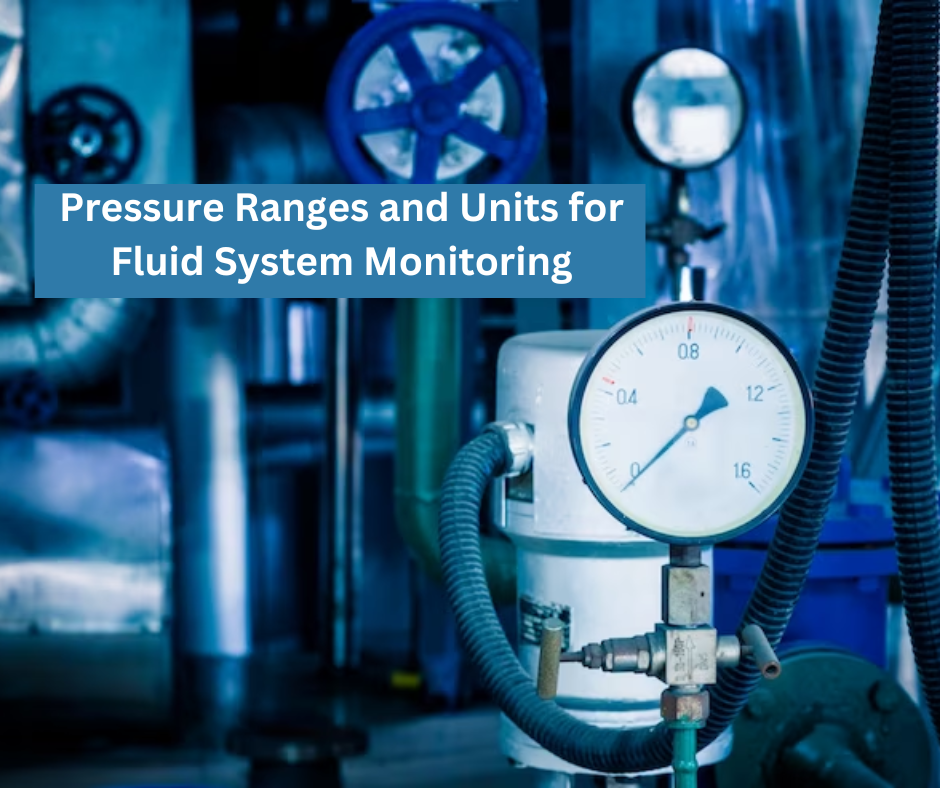
Significance of Understanding Pressure Ranges and Units
Understanding pressure ranges and units is significant for several reasons:
- Communication: Having a common understanding of pressure units allows for effective communication between professionals in different disciplines and ensures accurate and meaningful exchange of information.
- Safety: Understanding pressure ranges is crucial for ensuring the safety of personnel and equipment. It helps in designing and selecting appropriate materials, equipment, and safety measures to withstand and control the pressure within a safe range.
- Performance and Efficiency: Proper management and control of pressure levels optimize system performance, reduce energy consumption, and enhance overall efficiency, making understanding pressure ranges crucial in fields like fluid dynamics and engineering design.
- Standardization: There are various units used to measure pressure, including pascal (Pa), bar, psi, torr, atmosphere (atm), and many others. Understanding the conversion factors between these units allows for seamless integration and compatibility across different systems and regions.
- Calibration and Measurement: Understanding pressure units and their associated measurement techniques helps in selecting the appropriate instruments, calibrating them correctly, and ensuring reliable and traceable measurements.
- Problem Solving: Understanding pressure ranges and units enables engineers and scientists to formulate appropriate mathematical models, perform calculations, and analyze experimental data to solve these problems effectively.
Pressure Units in Fluid Systems
In fluid systems, pressure is a crucial parameter that measures the force exerted by a fluid per unit area. There are several units used to express pressure in fluid systems. Here are some common pressure units:
- Pascal (Pa): The Pascal is the SI (International System of Units) unit of pressure. It is defined as one newton of force per square meter (1 Pa = 1 N/m²). It is a small unit and often used for precise measurements.
- Bar: The bar is a non-SI unit of pressure widely used in many industries. One bar is equivalent to 100,000 Pascals (1 bar = 100,000 Pa). It is commonly used in the automotive and aviation industries.
- Atmosphere (atm): The atmosphere is a unit of pressure approximately equal to the average atmospheric pressure at sea level. One atmosphere is defined as 101,325 Pascals (1 atm = 101,325 Pa). It is commonly used in weather reports and scuba diving.
- Pound per Square Inch (psi): The pound per square inch is a unit commonly used in the United States to express pressure. It represents the pressure exerted by one pound-force applied to an area of one square inch. One psi is approximately equal to 6,894.76 Pascals (1 psi = 6,894.76 Pa).
Pressure Ranges in Fluid Systems
Fluid systems can operate under various pressure ranges depending on the specific application and industry. The pressure range required for a particular fluid system depends on factors such as the nature of the fluid, system design, operational requirements, and safety considerations. Here are some common pressure ranges encountered in fluid systems:
- Low Pressure: Low-pressure systems typically operate at pressures below 100 psi (pounds per square inch) or 7 bar. Examples include domestic water supply systems, irrigation systems, and low-pressure pneumatic systems.
- Medium Pressure: Medium-pressure systems generally operate within the range of 100 psi to 1000 psi (7 to 70 bar). Examples include hydraulic systems in industrial machinery, automotive braking systems, and compressed air systems.
- High Pressure: High-pressure systems operate at pressures above 1000 psi (70 bar) and can extend to several thousand or even tens of thousands of psi. Examples include hydraulic presses, hydraulic fracturing equipment, and high-pressure water jet cutting systems.
- Ultra-High Pressure: Ultra-high-pressure systems operate at extremely high pressures, often exceeding tens of thousands or hundreds of thousands of psi. These systems are used in specialized applications such as water jet cutting at extreme pressures, water descaling in steel mills, and high-pressure testing of components.
Common Pressure Monitoring Instruments
In fluid systems, various instruments are used to monitor and measure pressure. These instruments provide important information about the pressure conditions within the system, allowing for control, safety, and performance optimization. Here are some common pressure monitoring instruments:
- Pressure Gauges: Pressure gauges are mechanical instruments that use a Bourdon tube or diaphragm to convert pressure into a mechanical displacement, which is then displayed on a dial.
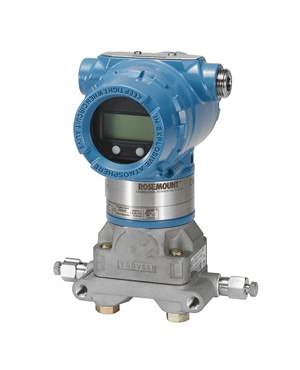
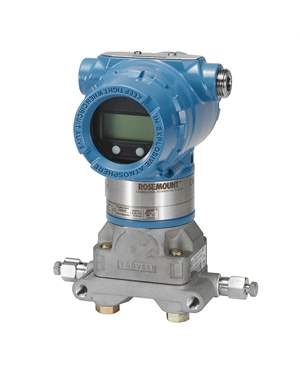
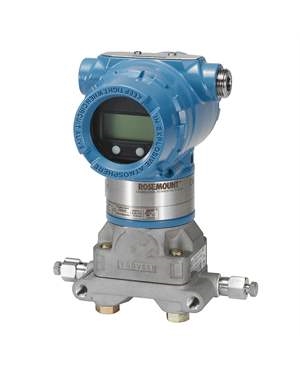
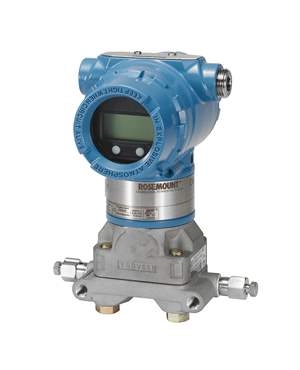
- Pressure Transducers: Pressure transducers are electronic devices that convert pressure into an electrical signal. They typically use strain gauge technology or piezoelectric elements to measure pressure and provide an output signal, such as voltage or current.
- Pressure Sensors: Pressure sensors are similar to pressure transducers but often refer to more compact and integrated devices. They can be based on various technologies, such as piezoresistive, capacitive, or optical, to measure pressure and provide an electrical output.
Fluid System Monitoring in Industrial Processes
Fluid system monitoring is crucial in industrial processes to ensure the efficient and safe operation of various systems. Here are some common aspects of fluid system monitoring in industrial processes:
- Flow Monitoring: Monitoring the flow rate of fluids is important to ensure proper circulation, prevent blockages, and maintain the desired flow conditions. Flow meters, such as electromagnetic, ultrasonic, or differential pressure flow meters, are commonly used to measure and monitor flow rates.
- Pressure Monitoring: Pressure monitoring is essential to maintain optimal pressure levels within a system. Pressure gauges, transducers, or sensors are employed to measure and monitor the pressure of fluids at different points in the process. This helps detect abnormalities, prevent overpressure or under pressure conditions, and ensure system integrity.
- Temperature Monitoring: Temperature monitoring is critical for various reasons, including process control, safety, and equipment protection. Temperature sensors, such as thermocouples or resistance temperature detectors (RTDs), are used to monitor the temperature of fluids at different stages of the process.
- Level Monitoring: Fluid level monitoring is necessary to prevent overfilling or running dry of tanks, vessels, or pipes. Level sensors, such as ultrasonic, capacitance, or float level sensors, are employed to monitor and control fluid levels effectively.
- Quality Monitoring: Monitoring fluid quality parameters, such as pH, conductivity, viscosity, or turbidity, is important in industrial processes. This helps ensure that the fluids meet required specifications and maintain the desired characteristics for efficient operation.
Throughout this discussion, we explored the concept of pressure in fluid systems and its significance in monitoring and maintaining the system's functionality. By monitoring and controlling pressure within these ranges, we can ensure optimal system performance, prevent equipment damage, and enhance safety. At The Transmitter Shop, we offers high-quality pressure transmitters, flow transmitters, level transmitters from trusted brands like Foxboro, Rosemount etc.
Related Posts
- What are the Steps Involved in Calibrating Pressure Gauge?
- All Important Questions on Reconditioned Transmitters Answered
- Is Remanufactured Transmitter a Better Option than a New One?
- Differential Pressure Transmitters: How Do They Help in Flow Measurements?
- 3 Whats that Explain How Often You Should Calibrate Pressure Transducer
- Guidelines for Troubleshooting Pressure Transducers
- Learn How to Calibrate a Pressure Transmitter – II
- Learn How to Calibrate a Pressure Transmitter
- Know Three Interesting Uses of Pressure Transmitters
- Things to Check before Buying a New Pressure Transmitter
- A Look at Various Types of Industrial Transmitters – Part II
- A Look at Various Types of Industrial Transmitters Part I
- All Questions on Smart Transmitters and their Calibration Answered
- 3 Major Pressure Transmitter Technologies That Made the Device Popular
- An Unconventional Guide to Selecting the Right Pressure Sensor
- Factors To Be Considered While Differentiating $40 and $400 Pressure Transmitters
- Tips to Augment the Performance and Service Life of Pressure Transmitter
- Factors of Consideration When Choosing Pressure Transmitters
- 5 Most Popular Pressure Transmitter Technologies
- Tips to Improve the Performance of Pressure Sensors
- Factors to Consider When Choosing a Pressure Transmitter Manifold
- Safety Tips for Differential Pressure Transmitter Operation
- Impact of Shock and Vibration on Pressure Transducer
- Rosemount 3051S vs 3051C Transmitter – What is Your Choice?
- Rosemount 2088 Vs Rosemount 3051 – A Few Points of Differences Discussed
- Difference in Conventional Transmitters and Smart Transmitters
- How to Choose Diaphragm Seals for Your Application?
- How to Select Pressure Transmitter for Your Application?
- Remote Seals: Significance, Working Principle & Applications
- How Do You Calibrate A Flow Transmitter?
- What is Absolute Pressure Transmitter & how does it work?
- HART Communication Protocol: Overview, Working Principle, Benefits in Industrial Automation
- Absolute and Gauge Pressure Transmitters - Overview and Working Principle
- Flow Meter vs Flow Transmitter: Know the Difference
- How Do You Test for 4 to 20mA Signal in a Pressure Transmitter?
- Multivariable Transmitter: What Is It and How Does It Work?
- Pressure Transmitters vs. Pressure Transducers: Learn the Differential Characteristics
- Procedure to Calculate Accuracy of Pressure Transmitter Discussed
- Testing Pressure Gauges: Processes of Verification Test and Functional Test
- An Ultimate Selection Guide for Flow Transmitters
- The Benefits and Challenges of HVAC System Balancing
- Fluid Flow Isolation Techniques for Pressure Instrumentation
- Understanding Pressure Ranges and Units for Fluid System Monitoring
- Understanding the Impact of Pressure Fluctuations on Drying Performance
- Monitoring and Controlling Energy Production in Power Plants
- Common Challenges in Air Flow Measurement and How to Overcome Them
- Pressure Monitoring in Pump Systems: A Comprehensive Guide
- Exploring Density and Viscosity Measurement in Industrial Processes
- Pneumatic Pressure Controllers: A Safe Choice for Hazardous Areas
- A Practical Guide to Vacuum Measurement and Operation
- Complete Hydrogen Gas Safety and Measurement Solutions
- Steam Boiler Drum Level Measurement A Comparison of Control System Technologies
- Furnace Flame Sensor Faults Everything You Need to Know for Safe Operation
- Comparison between Multi Valve Manifolds Block Valves and Bleed Valves
- Pneumatic Pressure Controllers: A Safe Choice for Hazardous Areas
- Furnace Flame Sensor Faults Everything You Need to Know for Safe Operation
- Pneumatic Pressure Controllers: A Safe Choice for Hazardous Areas
- How Can Greenhouse Gas Emissions Be Reduced?
- A Practical Guide to Vacuum Measurement and Operation
- Understanding Electrochemical Detection: Principles, Techniques and Environmental Application
QUICK ENQUIRY