Pneumatic Pressure Controllers: A Safe Choice for Hazardous Areas
Brian Craig
August 22, 2024
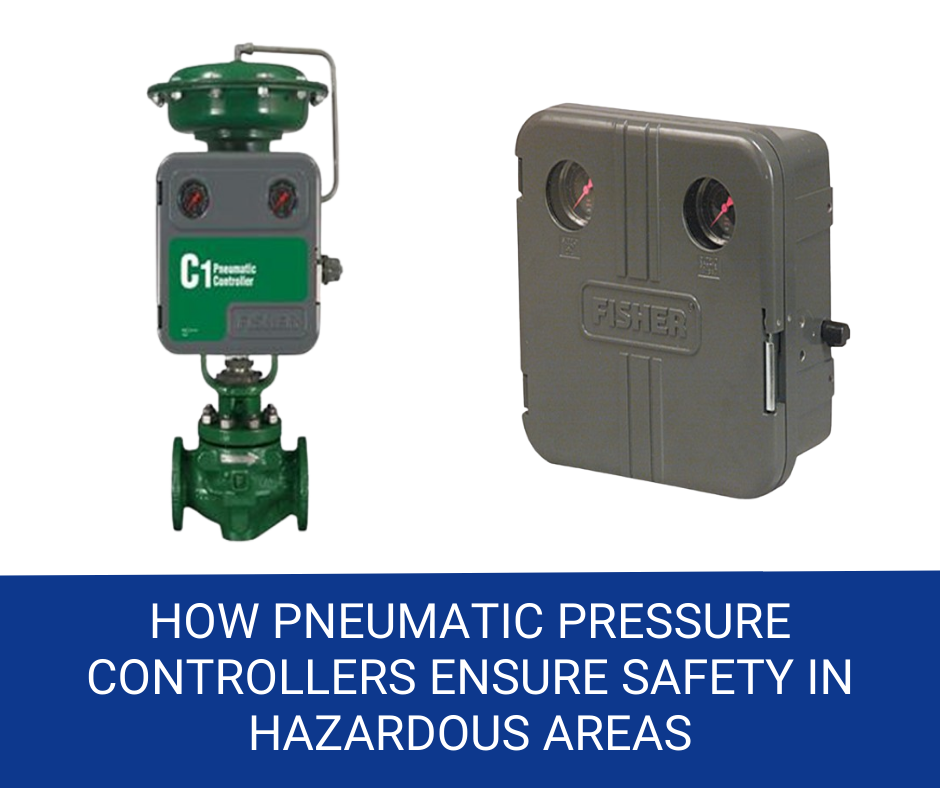
Pneumatic pressure controllers play a role, in industrial settings especially in hazardous conditions. These devices use compressed air to manage and oversee pressure, temperature and flow rates. Safety is of importance when it comes to these controllers considering the dangers in hazardous environments.
Understanding Pneumatic Pressure Controllers
Pneumatic systems work on the concept of utilizing air energy. By regulating the airflow and pressure of this air different processes can be controlled effectively. There are types of pressure controllers tailored for specific purposes:
- Pressure regulators ensure a pressure downstream regardless of any changes, in pressure upstream.
- Pneumatic temperature controllers manage temperature in operations, like ovens or dryers by modifying the airflow.
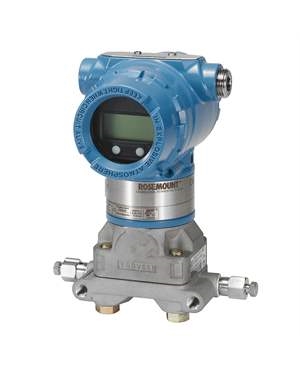
- Differential pressure controllers assess the variance in pressure, between two locations, within a system. Adjust operations accordingly using this data.
In environments systems offer an advantage in terms of safety. Unlike systems that have the potential to create sparks, pneumatic systems function without any risk of ignition. This aspect makes them particularly suitable, for locations where flammable gases or vapors could exist.Pneumatic pressure controllers are widely used in industries such as oil and gas, chemical processing, and manufacturing, where they play a crucial role in maintaining safe and stable operations. They are particularly valuable in environments that require precise control of pressure and temperature to prevent accidents and ensure the efficient functioning of equipment.
Safety Features of Pneumatic Pressure Controllers
Pressure controllers are deemed safer than their counterparts due, to their non sparking nature. However adding more safety features can improve their performance, in environments:
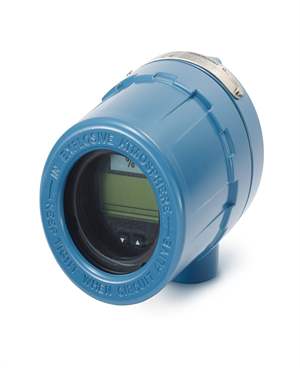
- Explosion-Proof Enclosures: These protective structures are created to stop explosions from reaching the parts of the controller.
- Flameproof Designs: Flame resistant controllers are designed to stop flames from spreading inside the device in the event of an explosion.
- Industry Standards Compliance: Pneumatic pressure regulators need to meet industry guidelines like ATEX, for Europe and IECEx for markets to guarantee their effectiveness, in risky environments.
Pneumatic pressure controllers are widely used in industries such as oil and gas, chemical processing, and manufacturing, where they play a crucial role in maintaining safe and stable operations. They are particularly valuable in environments that require precise control of pressure and temperature to prevent accidents and ensure the efficient functioning of equipment.
Maintenance and Troubleshooting
Regular maintenance is vital for ensuring the pneumatic controllers operate safely and reliably. This includes:
- Visual Inspections: Check for signs of damage, leaks, or corrosion.
- Lubrication: Apply appropriate lubricants to moving parts.
- Calibration: Regularly calibrate the controller to maintain accuracy.
- Filter Replacement: Replace air filters as needed to prevent contaminants from entering the system.
Troubleshooting pneumatic pressure controllers involves identifying and addressing issues such as:
- Pressure Fluctuations: Check for leaks in the pneumatic system or issues with the pressure regulator pneumatic.
- Inaccurate Readings: Verify the calibration of the controller and ensure proper sensor functioning.
- Malfunction: Inspect the controller for mechanical damage or electrical faults.
Pneumatic pressure controllers offer a safe and reliable solution for various industrial processes, especially in hazardous environments. Because of their built-in safety features and adherence to industry norms, they are the best option for situations where electrical sparks could be extremely dangerous. Operators are able to guarantee the durability and efficiency of these controllers by adhering to the recommended maintenance and troubleshooting protocols.
At The Transmitter Shop we provide a selection of notch pneumatic pressure controllers tailored for hazardous environments. Our products adhere to safety protocols. Are supported by our team of technical experts. Explore our website. Contact us today to discover how our pneumatic pressure controllers can cater to your requirements.
Related Posts
- What are the Steps Involved in Calibrating Pressure Gauge?
- All Important Questions on Reconditioned Transmitters Answered
- Is Remanufactured Transmitter a Better Option than a New One?
- Differential Pressure Transmitters: How Do They Help in Flow Measurements?
- 3 Whats that Explain How Often You Should Calibrate Pressure Transducer
- Guidelines for Troubleshooting Pressure Transducers
- Learn How to Calibrate a Pressure Transmitter – II
- Learn How to Calibrate a Pressure Transmitter
- Know Three Interesting Uses of Pressure Transmitters
- Things to Check before Buying a New Pressure Transmitter
- A Look at Various Types of Industrial Transmitters – Part II
- A Look at Various Types of Industrial Transmitters Part I
- All Questions on Smart Transmitters and their Calibration Answered
- 3 Major Pressure Transmitter Technologies That Made the Device Popular
- An Unconventional Guide to Selecting the Right Pressure Sensor
- Factors To Be Considered While Differentiating $40 and $400 Pressure Transmitters
- Tips to Augment the Performance and Service Life of Pressure Transmitter
- Factors of Consideration When Choosing Pressure Transmitters
- 5 Most Popular Pressure Transmitter Technologies
- Tips to Improve the Performance of Pressure Sensors
- Factors to Consider When Choosing a Pressure Transmitter Manifold
- Safety Tips for Differential Pressure Transmitter Operation
- Impact of Shock and Vibration on Pressure Transducer
- Rosemount 3051S vs 3051C Transmitter – What is Your Choice?
- Rosemount 2088 Vs Rosemount 3051 – A Few Points of Differences Discussed
- Difference in Conventional Transmitters and Smart Transmitters
- How to Choose Diaphragm Seals for Your Application?
- How to Select Pressure Transmitter for Your Application?
- Remote Seals: Significance, Working Principle & Applications
- How Do You Calibrate A Flow Transmitter?
- What is Absolute Pressure Transmitter & how does it work?
- HART Communication Protocol: Overview, Working Principle, Benefits in Industrial Automation
- Absolute and Gauge Pressure Transmitters - Overview and Working Principle
- Flow Meter vs Flow Transmitter: Know the Difference
- How Do You Test for 4 to 20mA Signal in a Pressure Transmitter?
- Multivariable Transmitter: What Is It and How Does It Work?
- Pressure Transmitters vs. Pressure Transducers: Learn the Differential Characteristics
- Procedure to Calculate Accuracy of Pressure Transmitter Discussed
- Testing Pressure Gauges: Processes of Verification Test and Functional Test
- An Ultimate Selection Guide for Flow Transmitters
- The Benefits and Challenges of HVAC System Balancing
- Fluid Flow Isolation Techniques for Pressure Instrumentation
- Understanding Pressure Ranges and Units for Fluid System Monitoring
- Understanding the Impact of Pressure Fluctuations on Drying Performance
- Monitoring and Controlling Energy Production in Power Plants
- Common Challenges in Air Flow Measurement and How to Overcome Them
- Pressure Monitoring in Pump Systems: A Comprehensive Guide
- Exploring Density and Viscosity Measurement in Industrial Processes
- Pneumatic Pressure Controllers: A Safe Choice for Hazardous Areas
- A Practical Guide to Vacuum Measurement and Operation
- Key Sensors for Monitoring Emissions in Wet and Dry Scrubber Systems
- Complete Hydrogen Gas Safety and Measurement Solutions
- Steam Boiler Drum Level Measurement A Comparison of Control System Technologies
- Furnace Flame Sensor Faults Everything You Need to Know for Safe Operation
- Comparison between Multi Valve Manifolds Block Valves and Bleed Valves
- Furnace Flame Sensor Faults Everything You Need to Know for Safe Operation
- Pneumatic Pressure Controllers: A Safe Choice for Hazardous Areas
- How Can Greenhouse Gas Emissions Be Reduced?
- A Practical Guide to Vacuum Measurement and Operation
- Understanding Electrochemical Detection: Principles, Techniques and Environmental Application
QUICK ENQUIRY